
Birds of Nepal
Capturing the Diversity and Beauty of Nepal’s Avian World
Nepal is a paradise for birdlife, hosting more than 890 recorded species — nearly 9% of the world’s total. Its extraordinary range of habitats, from subtropical forests to alpine cliffs, supports everything from tiny flowerpeckers to mighty raptors soaring over the Himalayas. Through years of patient fieldwork, Om Prakash Yadav has documented this remarkable diversity, creating a photographic record that celebrates both avian beauty and ecological significance.
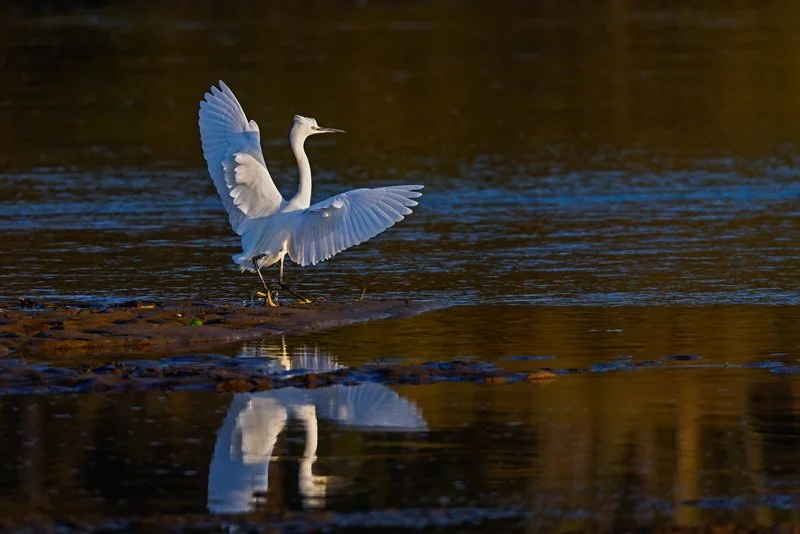
In the lowland Terai, Yadav has photographed wetland specialists such as Asian openbill storks, lesser adjutants, kingfishers, egrets, and ibises, often observed around सिमसार (wetlands) like Koshi Tappu, Beeshazari Lake, and Jagadishpur Reservoir. These photographs show how wetlands function as vital sanctuaries for resident and migratory species alike — places where herons fish in shallow waters and storks nest on tall simul trees during the monsoon.
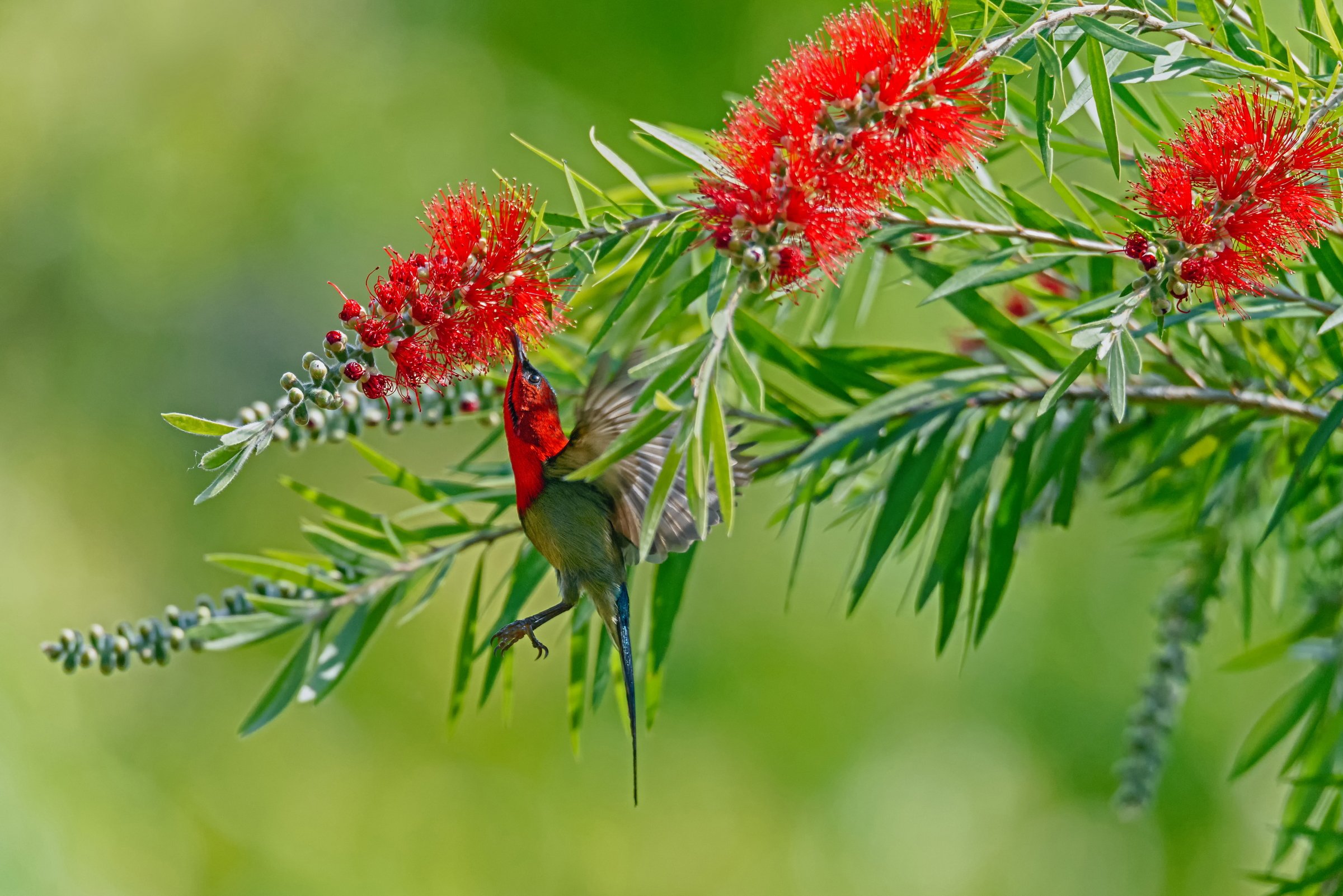
Further north, Nepal’s hill forests and Himalayan slopes host an entirely different community of birds — pheasants, sunbirds, barbets, minivets, and warblers. Om Prakash Yadav’s lens captures the contrast of brilliant Himalayan monals against snow backgrounds, the subtle plumage of laughing thrushes hidden in rhododendron thickets, and the movement of flocks crossing misty ridgelines. These visual stories reveal how Nepal’s elevation gradient creates one of Asia’s most dynamic avian distributions.
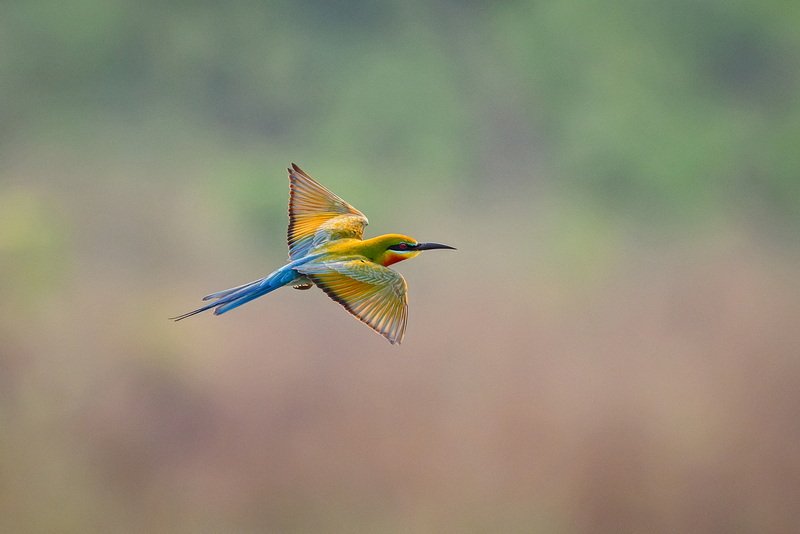
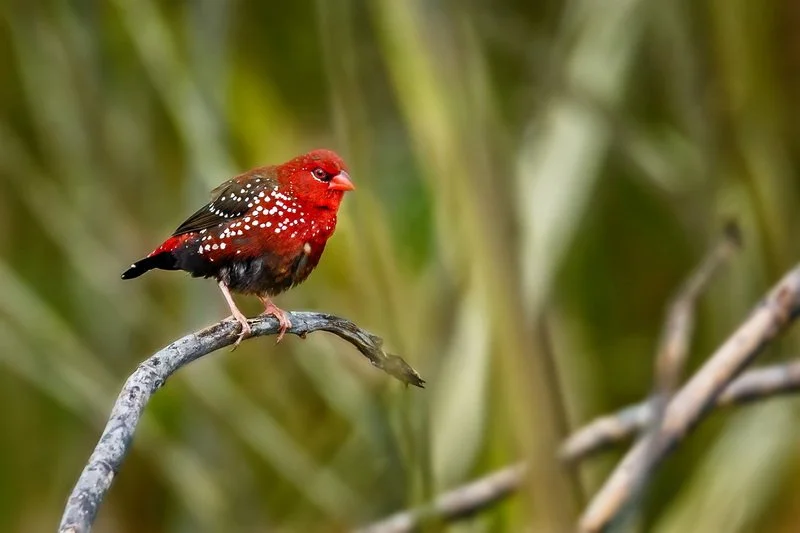
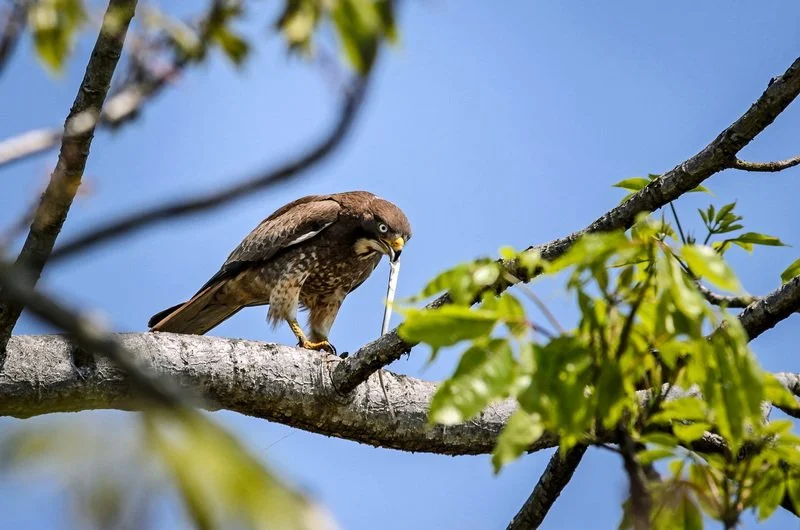
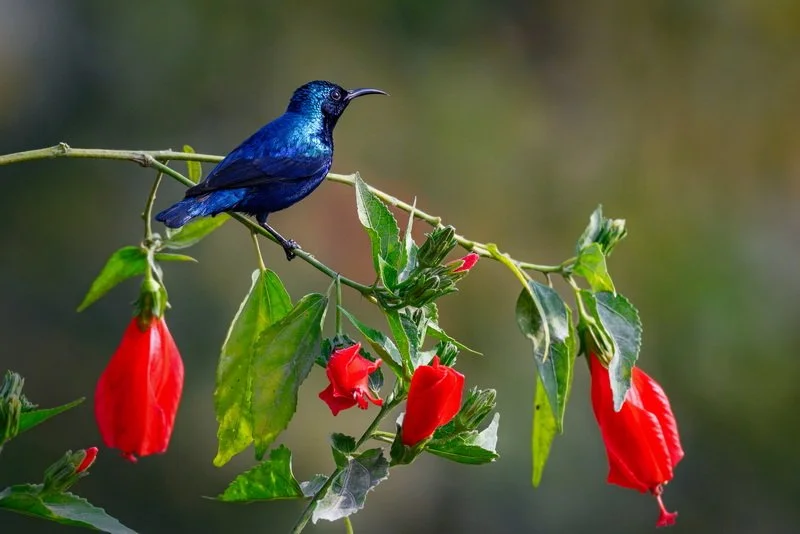
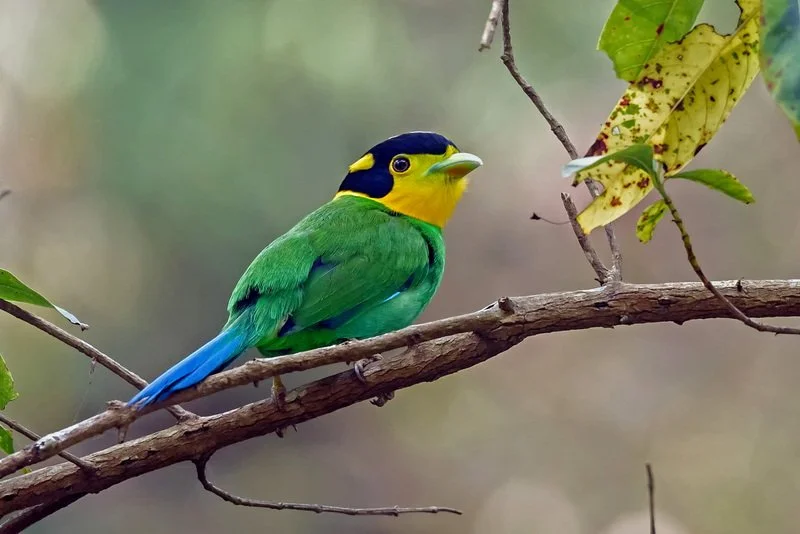
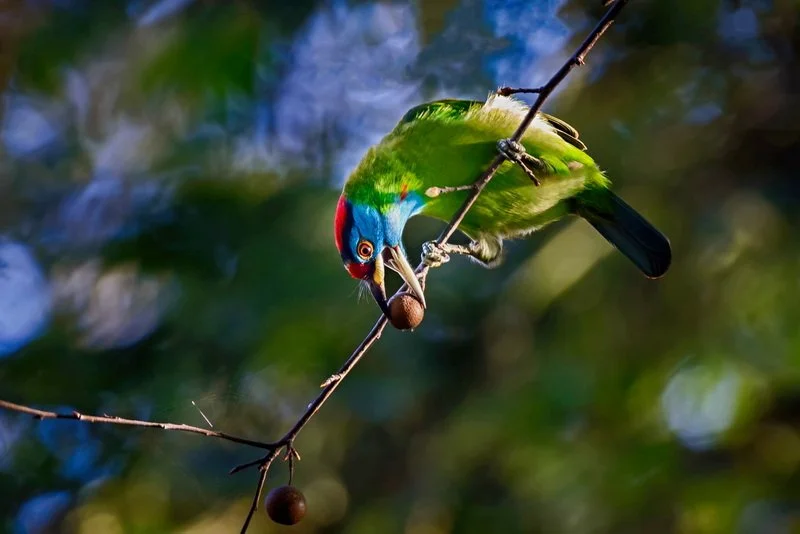
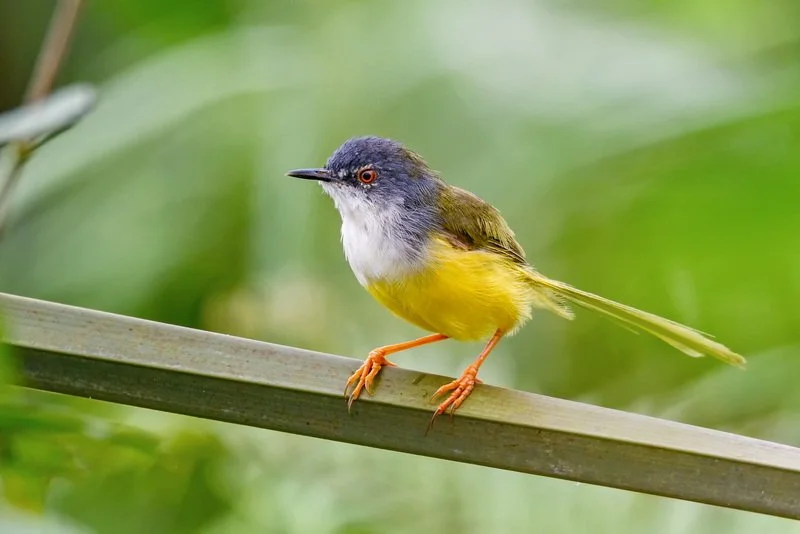
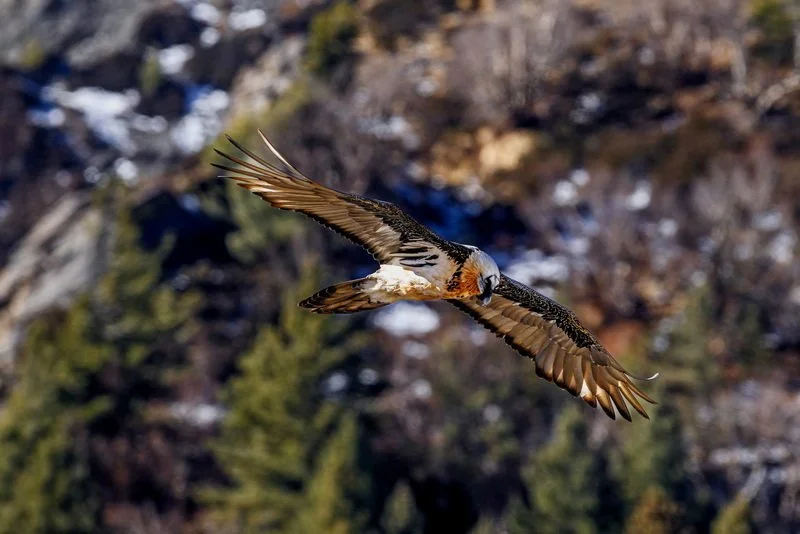
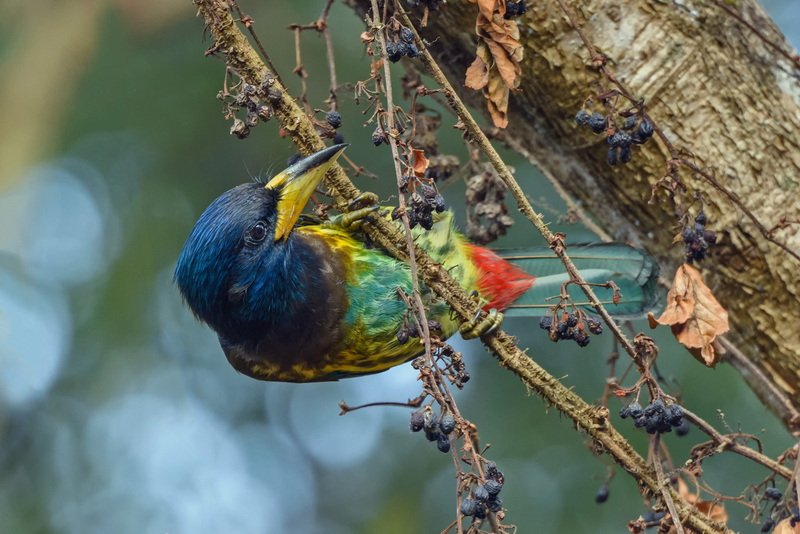
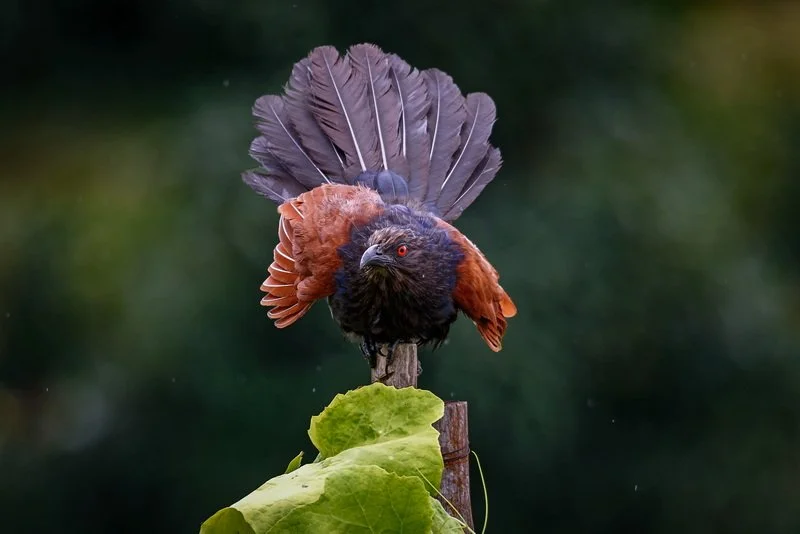
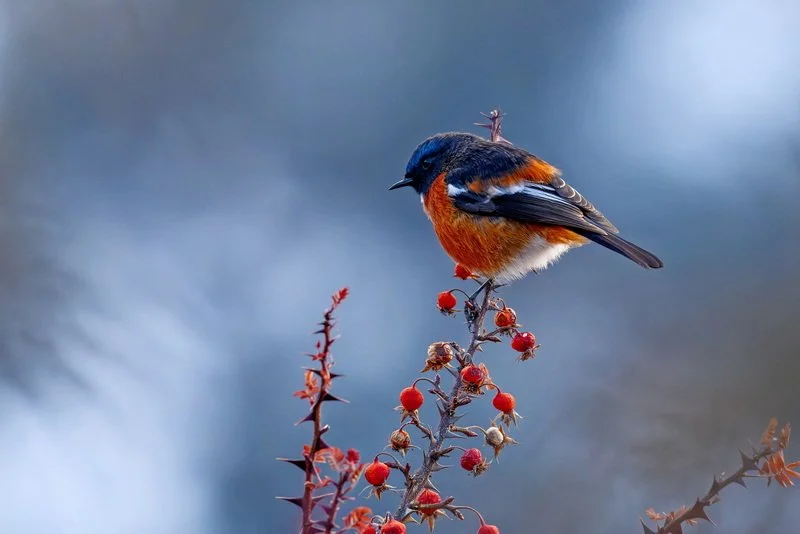
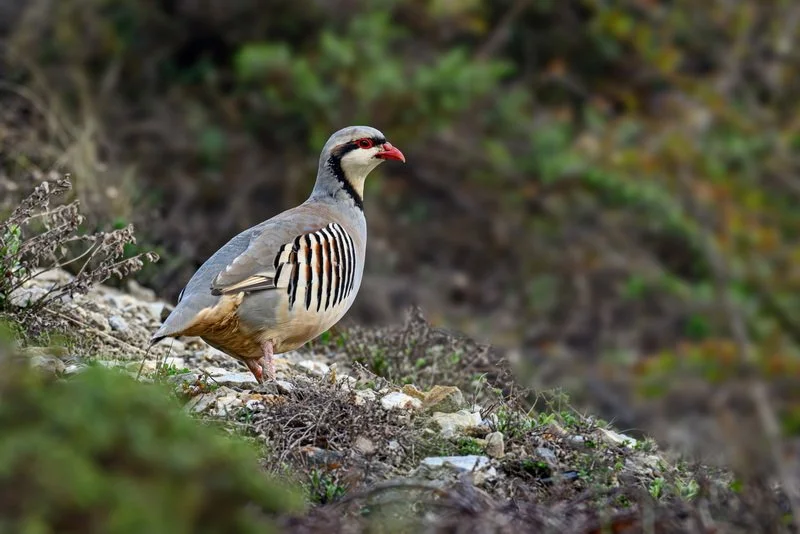
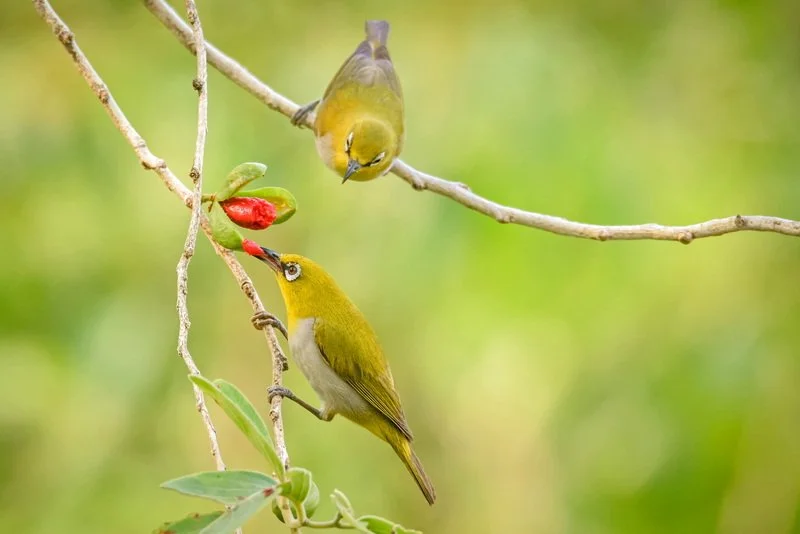
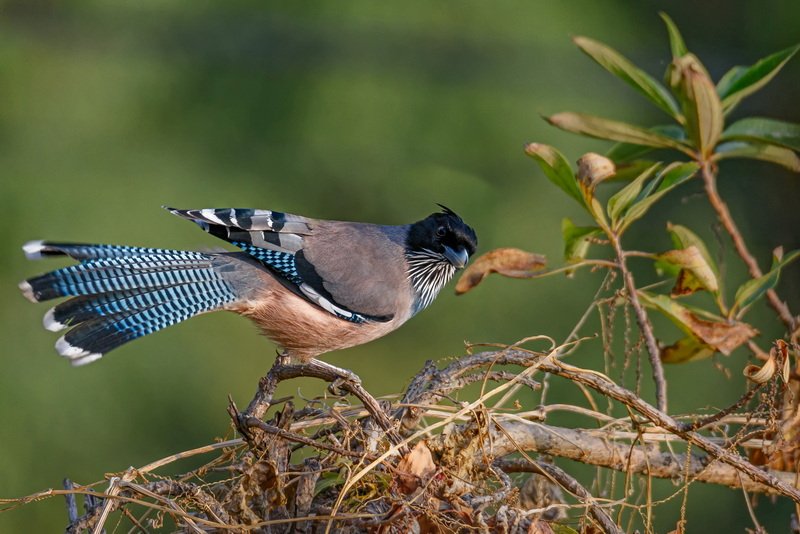



The “Birds of Nepal” portfolio also reflects Yadav’s collaboration with researchers and conservation organizations studying migratory routes and population trends. His imagery supports field documentation for bird surveys and educational outreach promoting citizen science and bird-watching tourism. Many of these photographs have been used in awareness materials encouraging local communities to protect nesting trees, reduce plastic pollution, and manage wetlands sustainably.
Bird populations face growing threats from habitat loss, pesticide use, wetland encroachment, and climate change. By portraying birds within their ecosystems — feeding, nesting, and migrating — Yadav’s photography builds understanding of their ecological roles as pollinators, seed dispersers, and indicators of environmental health. The images bridge art and research, turning scientific observations into emotionally compelling narratives.
Ethics remain central to his practice. Every photograph is made with respect for wildlife — no playback calls, no disturbance, and minimal human impact. This commitment to ethical bird photography ensures that each image contributes to conservation rather than intrusion.
From the cranes of Lumbini to the Himalayan vultures circling Annapurna, “Birds of Nepal” celebrates both the diversity and the fragility of avian life. Through his photographs, Om Prakash Yadav invites audiences to experience Nepal’s birdlife as part of a shared natural heritage — one that depends on awareness, empathy, and conservation action.
Explore the “Birds of Nepal” collection and learn how responsible photography and field documentation support bird conservation, education, and eco-tourism in Nepal.