Wildlife Photography and Ethics Training for Wildlife Guides Across Nepal
Program Overview
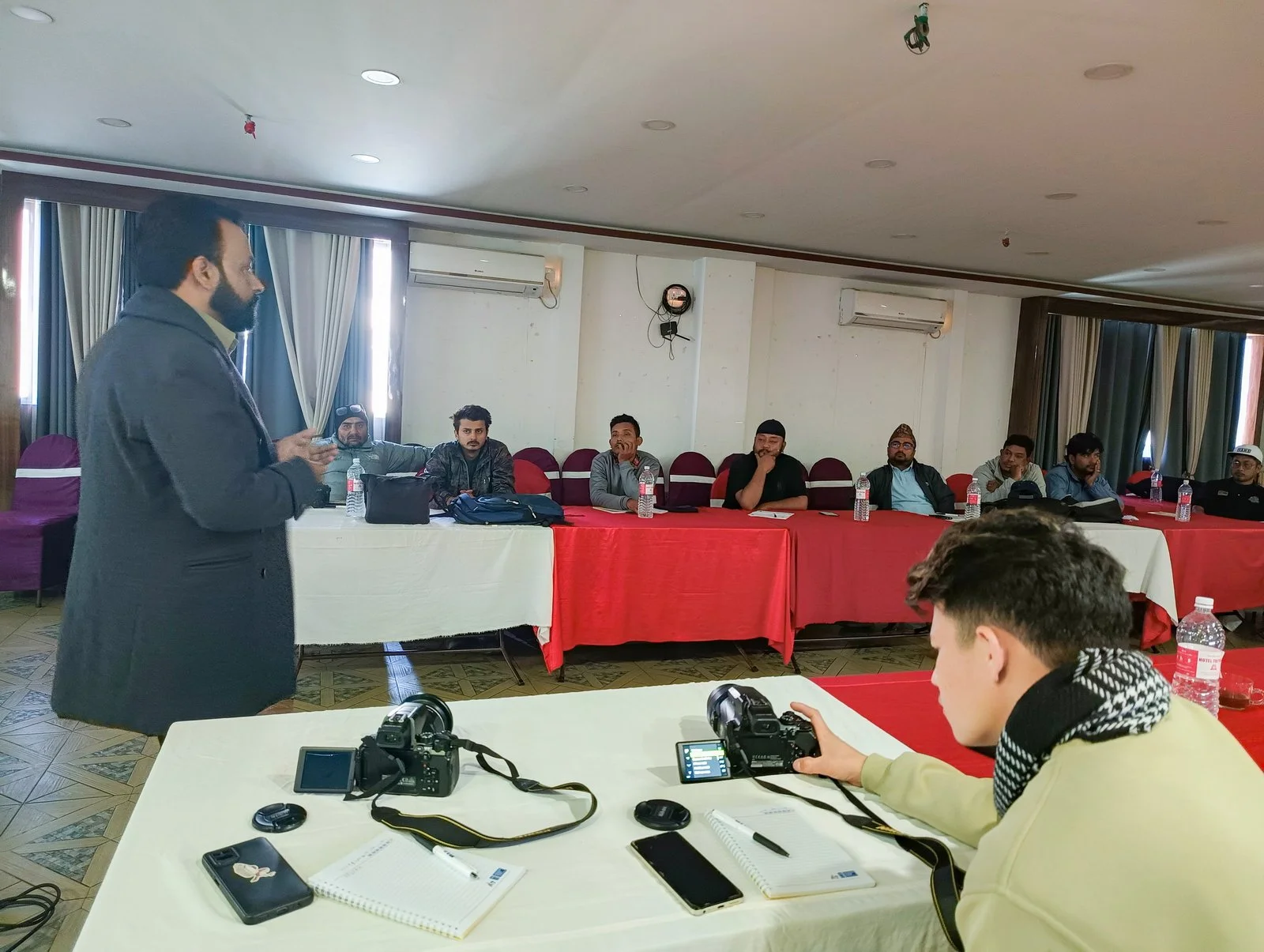
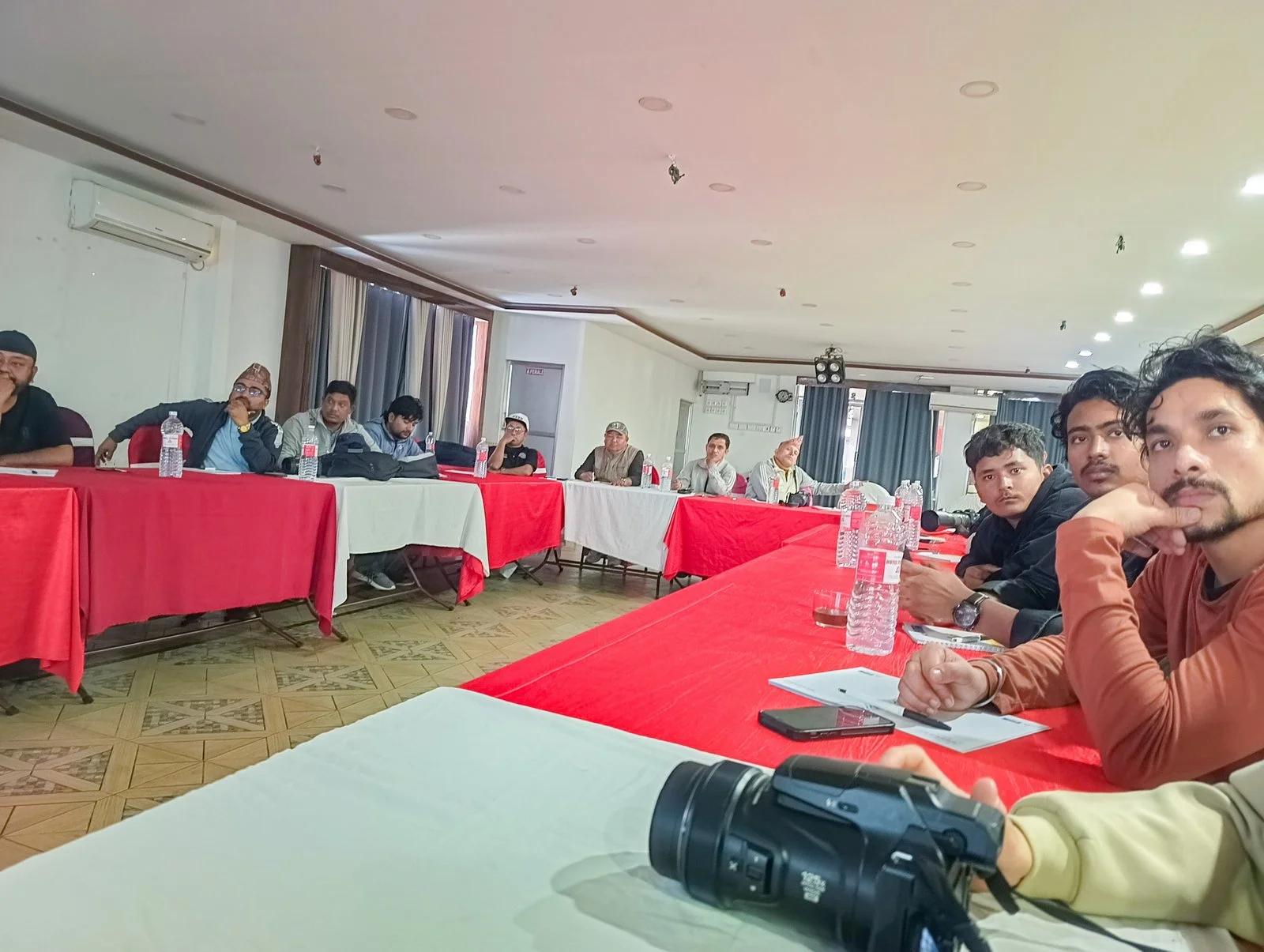
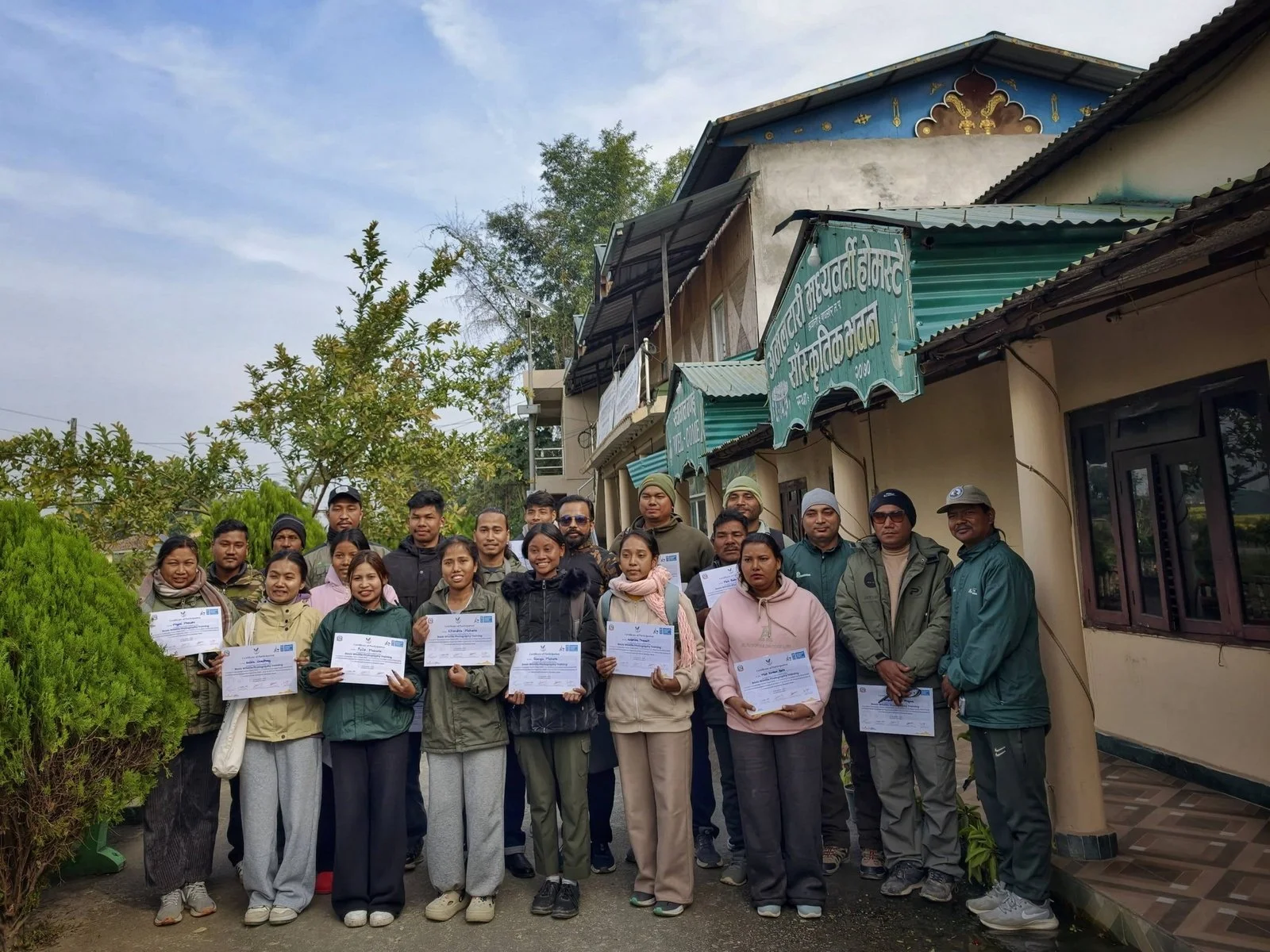
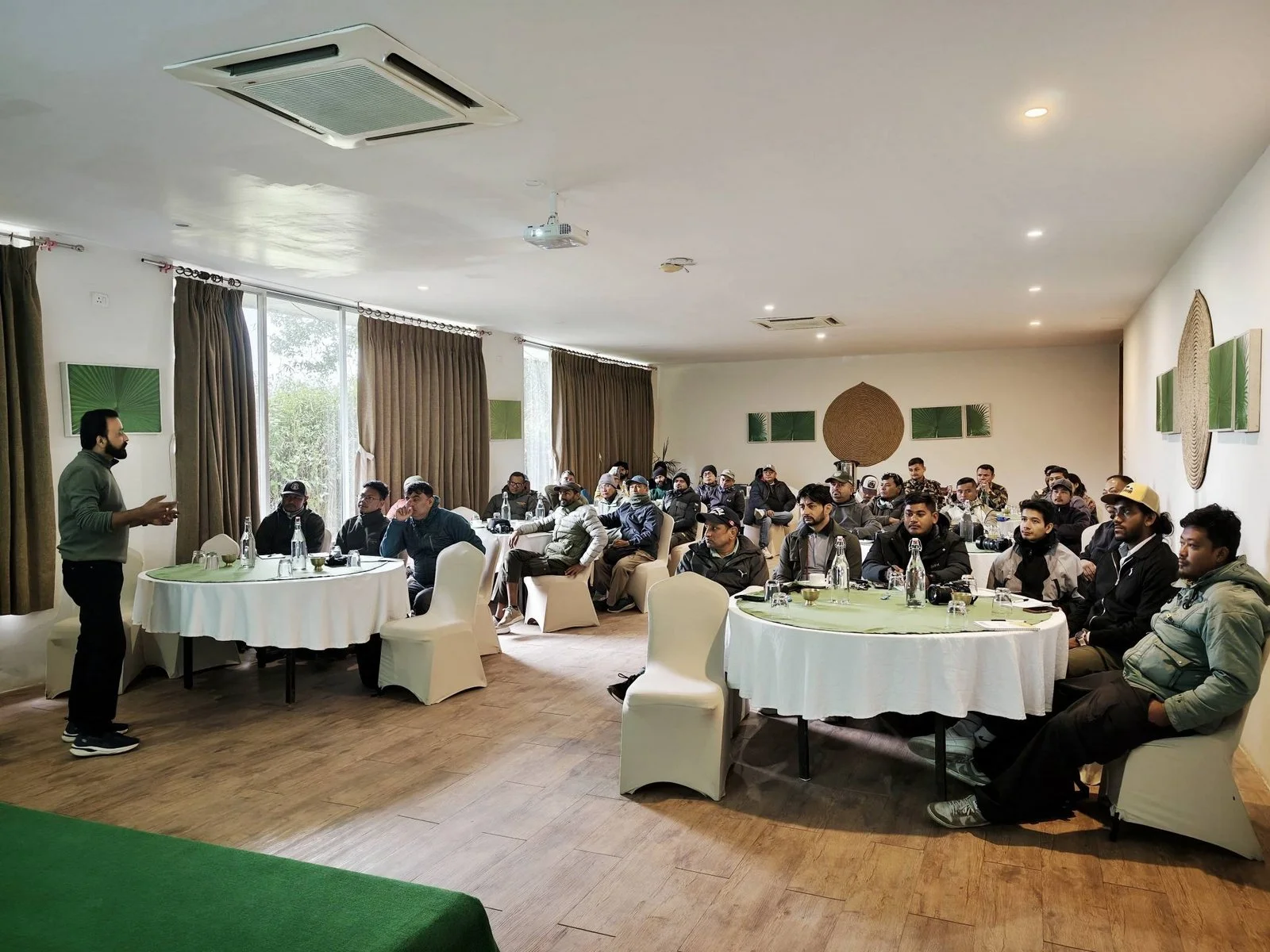
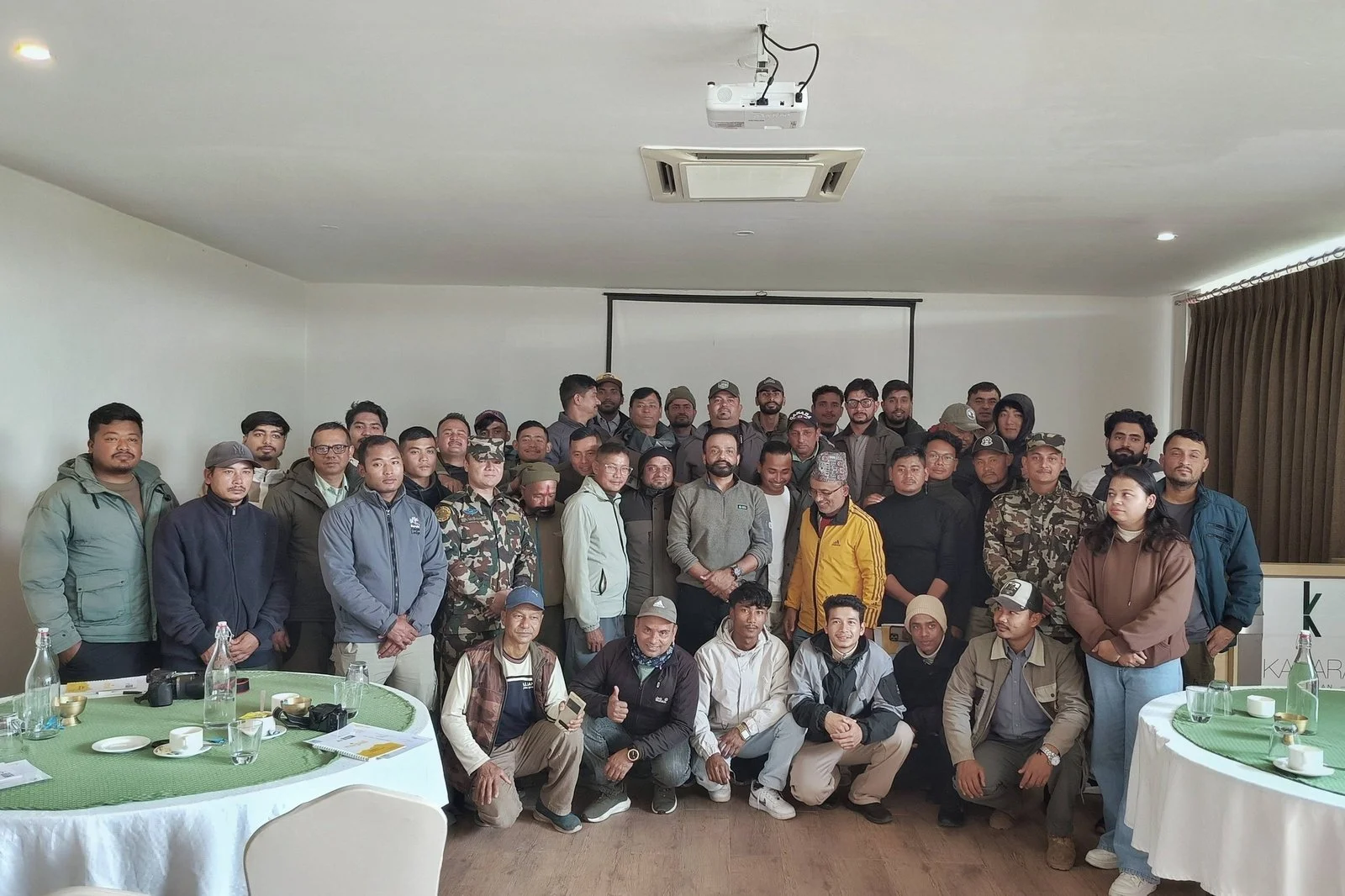
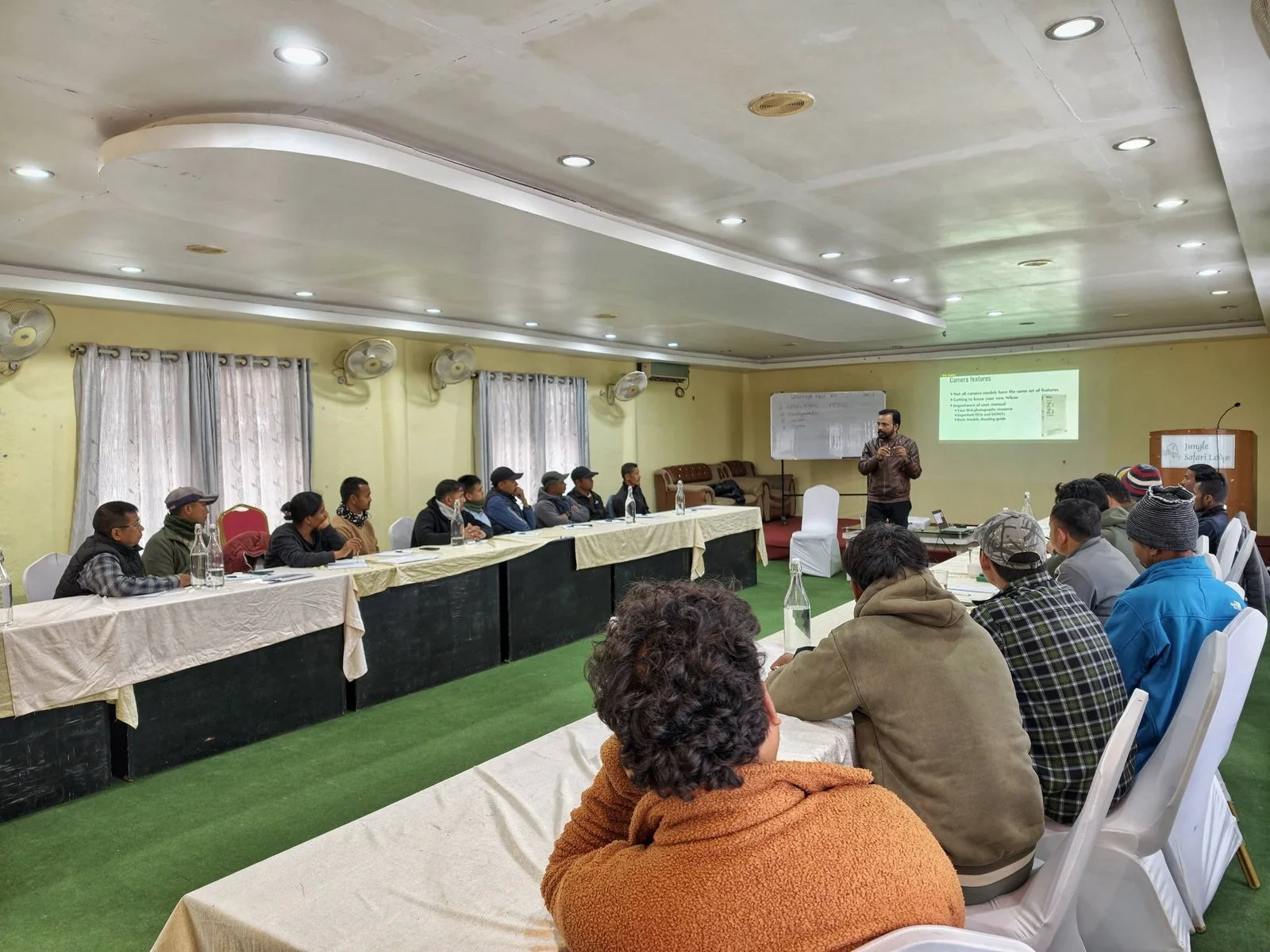
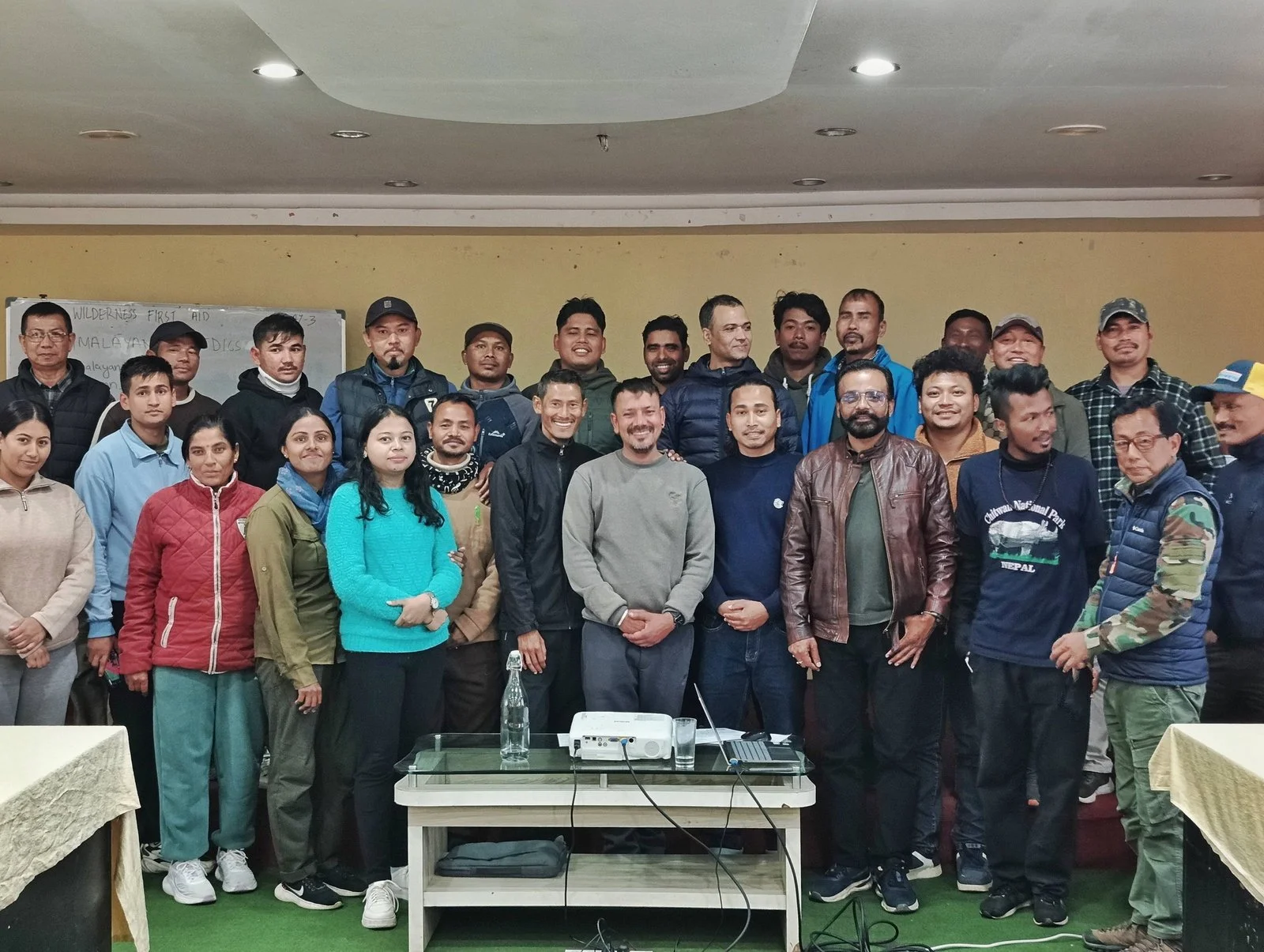
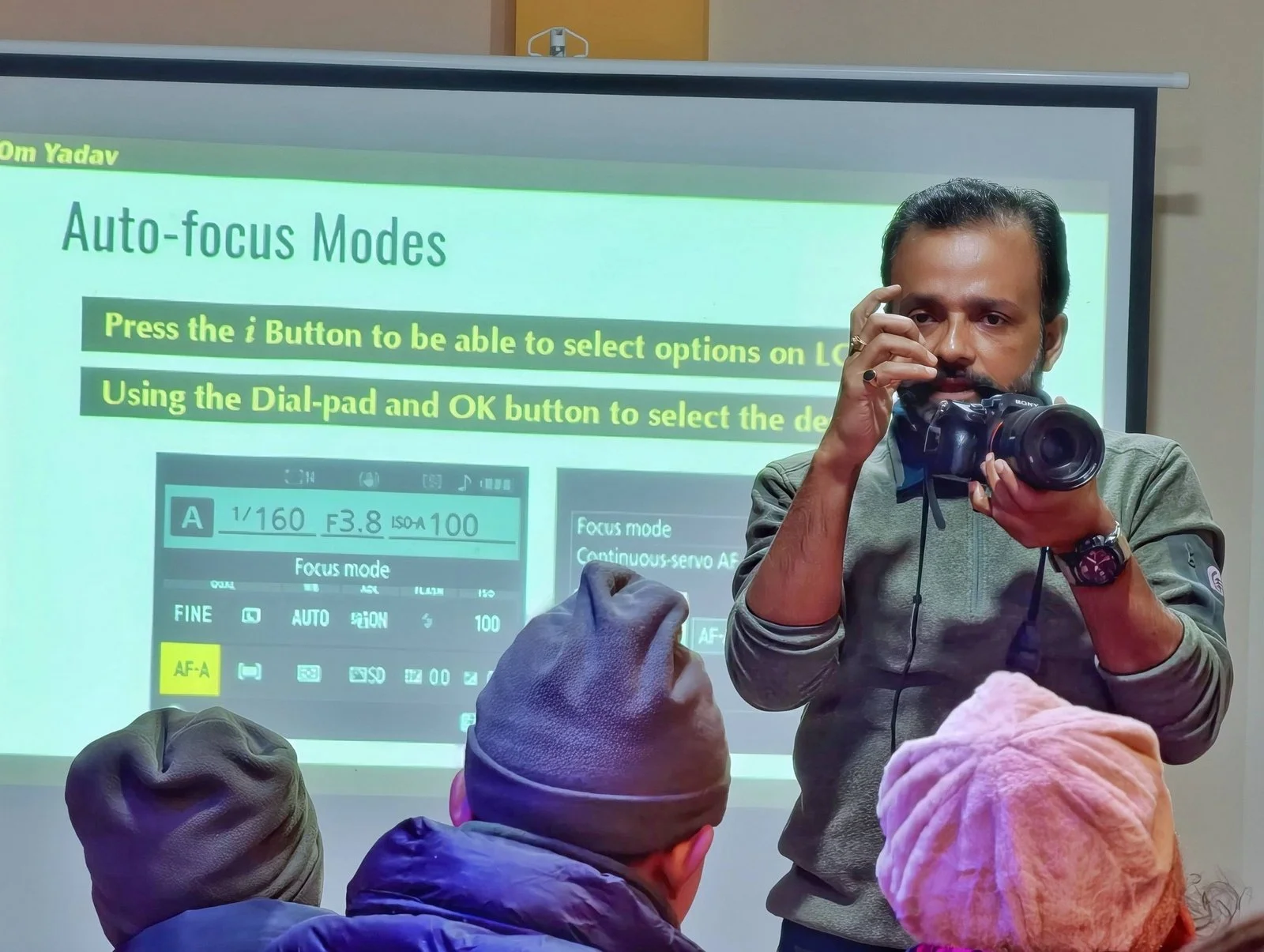
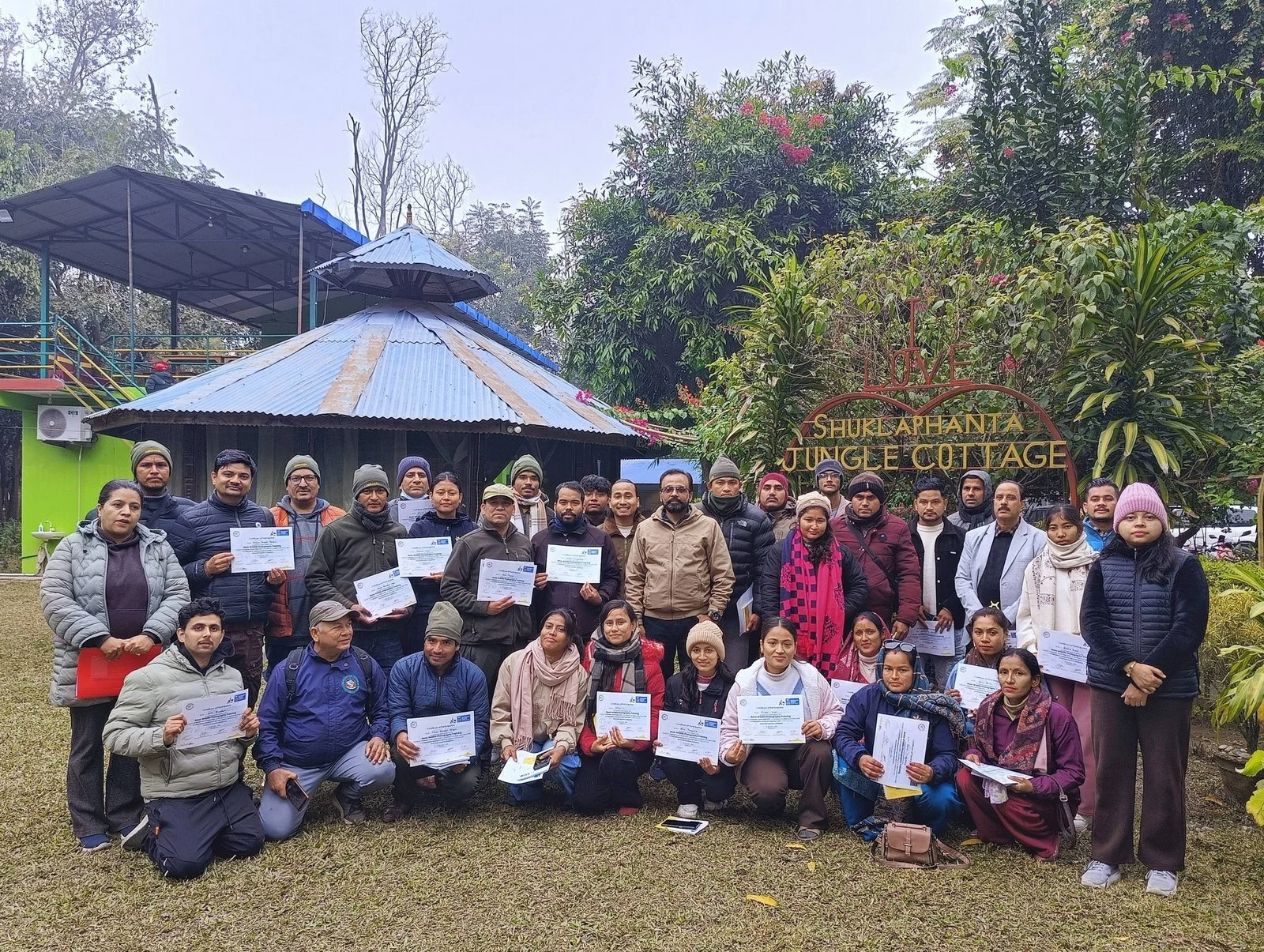
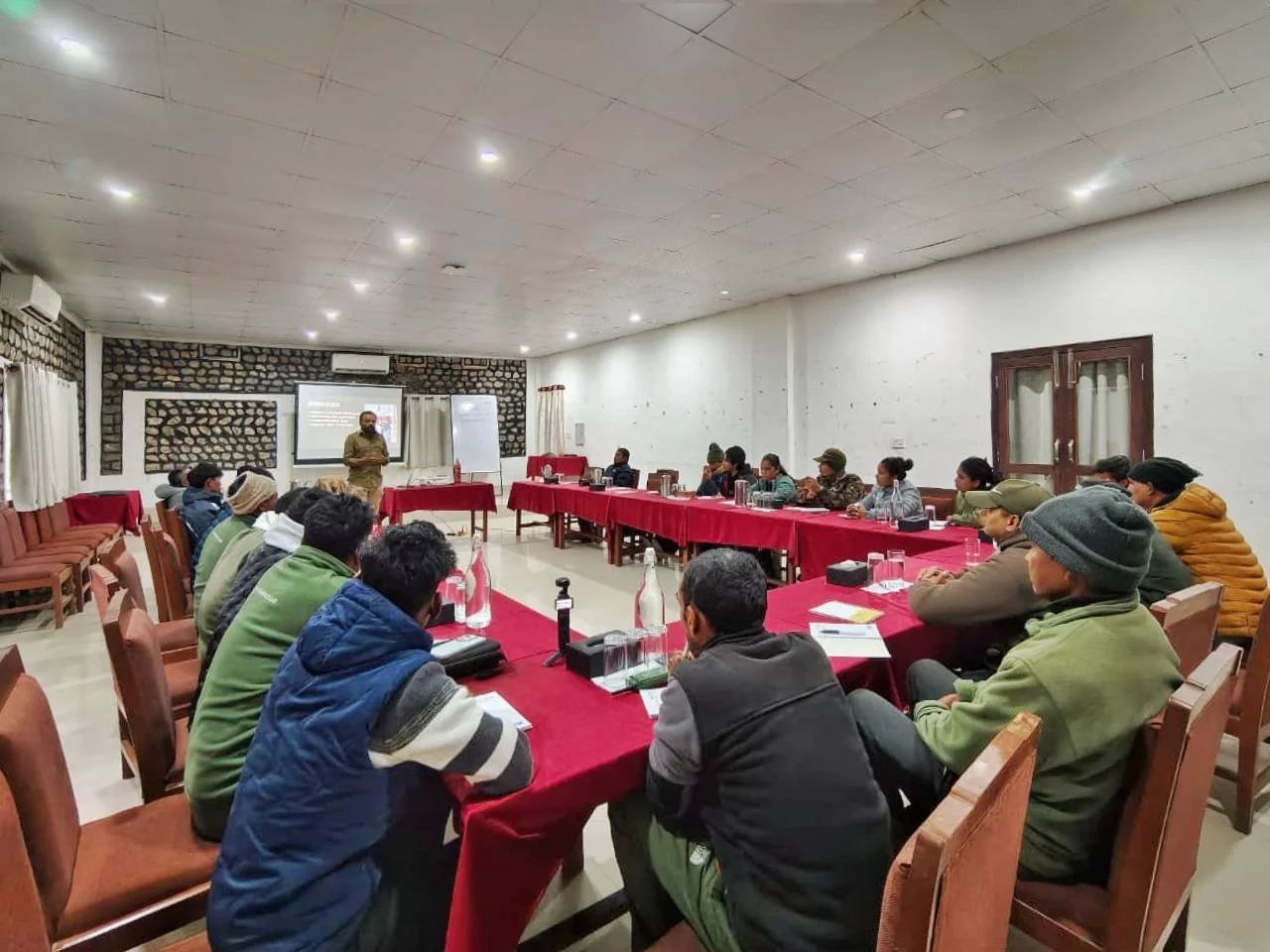
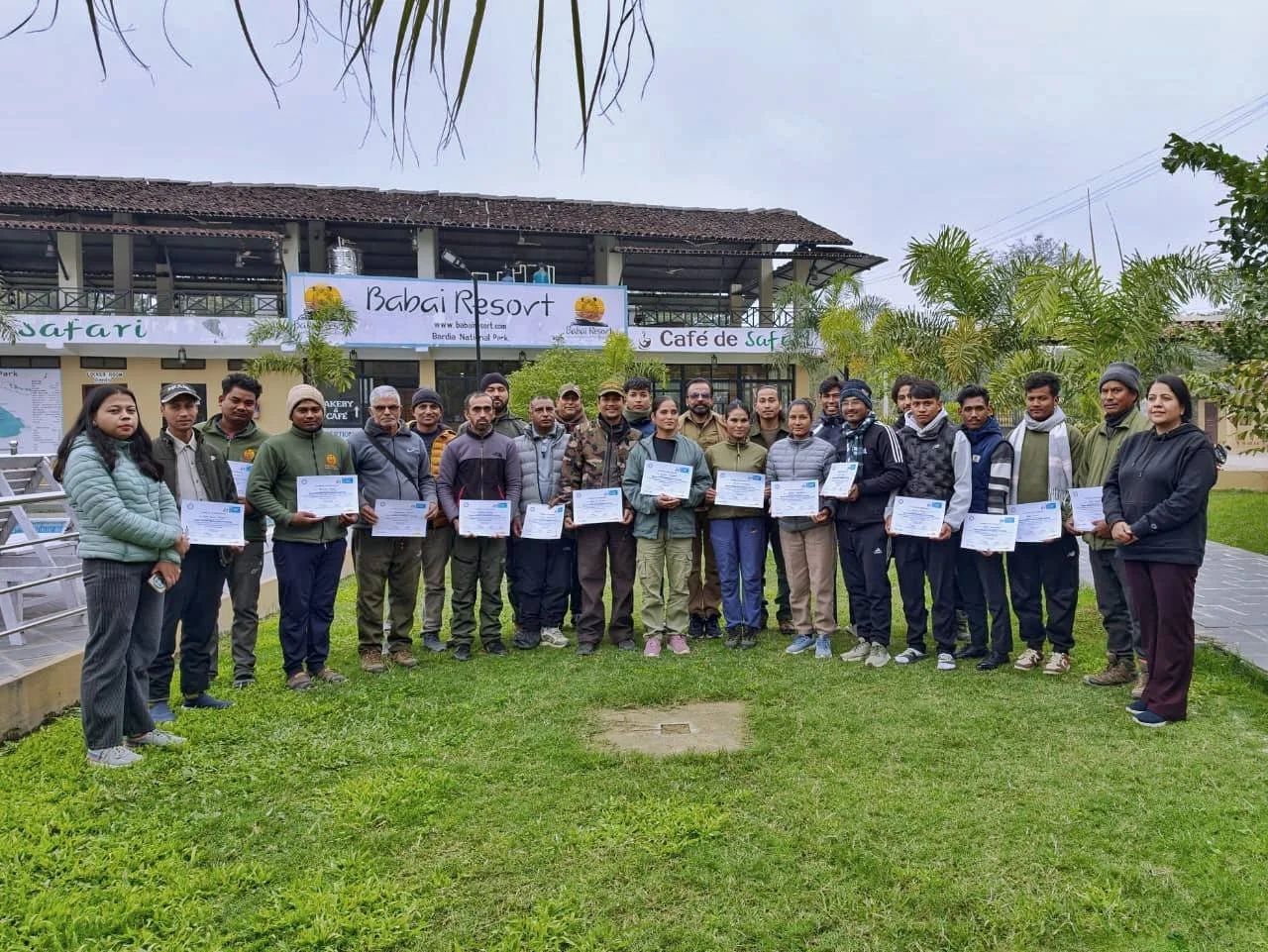
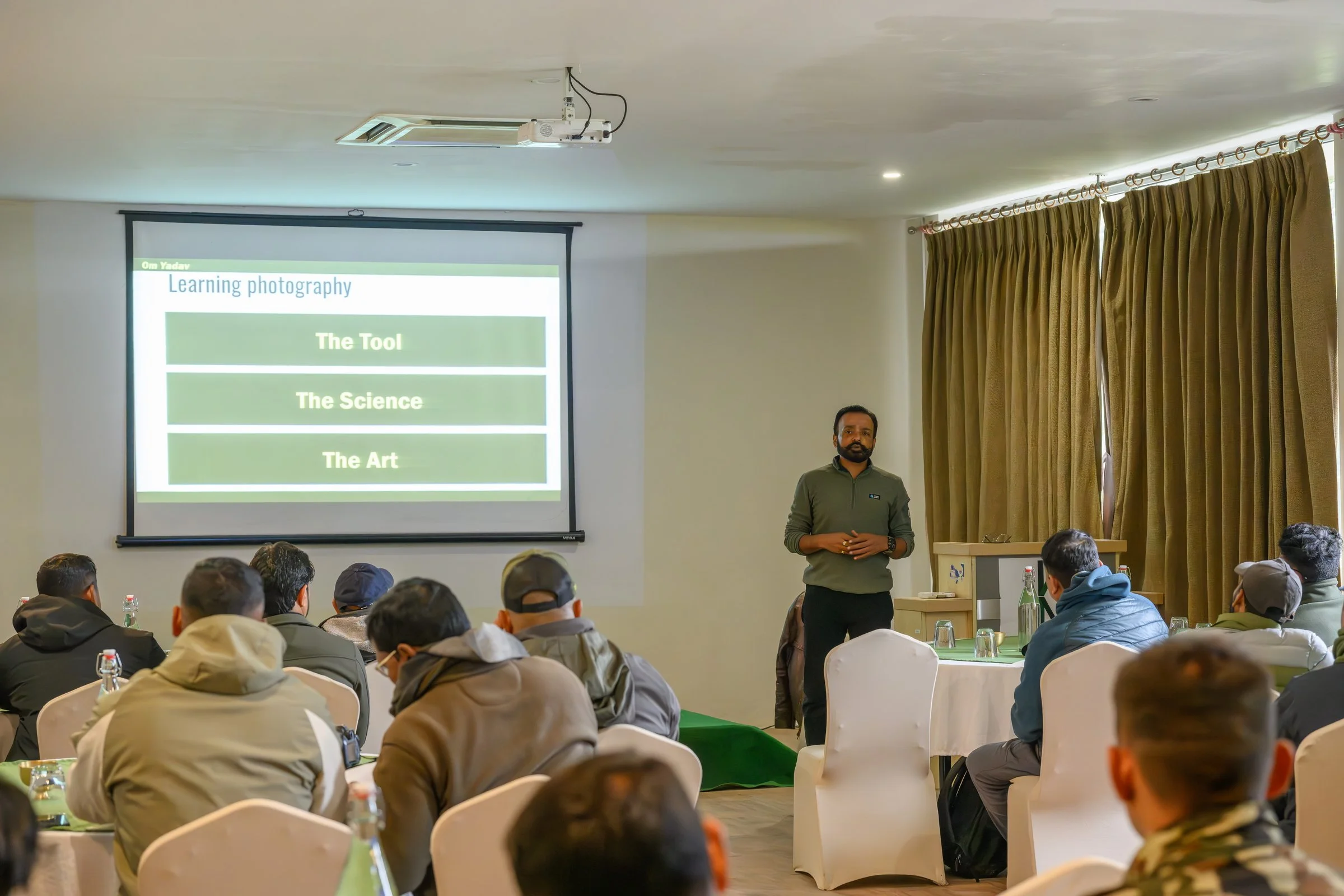
Om Prakash Yadav conducted a two-week wildlife photography and ethics training program for wildlife guides across Nepal from 19 December to 29 December 2025. The training was organized by the Sustainable Tourism Project (STP) of UNDP in collaboration with the Nepal Tourism Board. The program aimed to strengthen the capacity of wildlife guides to document species, habitats, and visitor experiences accurately and responsibly, while promoting ethical wildlife photography and sustainable tourism practices.
Partner Organizations
Target Group
Wildlife guides from protected areas and buffer zone communities
Nature guides and eco-tourism professionals working in national parks and wildlife reserves
Protected Areas and Training Locations
The training was delivered across multiple key conservation landscapes in Nepal:
Koshi Tappu Wildlife Reserve
Amatari, Nawalparasi
Kasara, Chitwan National Park
Sauraha, Chitwan
Bardia National Park
Shuklaphanta Wildlife Reserve
This multi-location approach ensured regional representation and practical relevance for guides working in different ecosystems.
Duration and Reach
Duration: Two weeks (19–29 December 2025)
Participants: 181 wildlife guides (153 male/28 female)
Coverage: Eastern, Central, and Western Nepal
Training Objectives
The training was designed to:
Improve practical wildlife photography skills under real field conditions
Build understanding of animal behavior for better anticipation and composition
Promote ethical wildlife photography and responsible visitor management
Strengthen visual documentation for conservation education and interpretation
Support sustainable tourism through accurate and respectful storytelling
Key Topics Covered
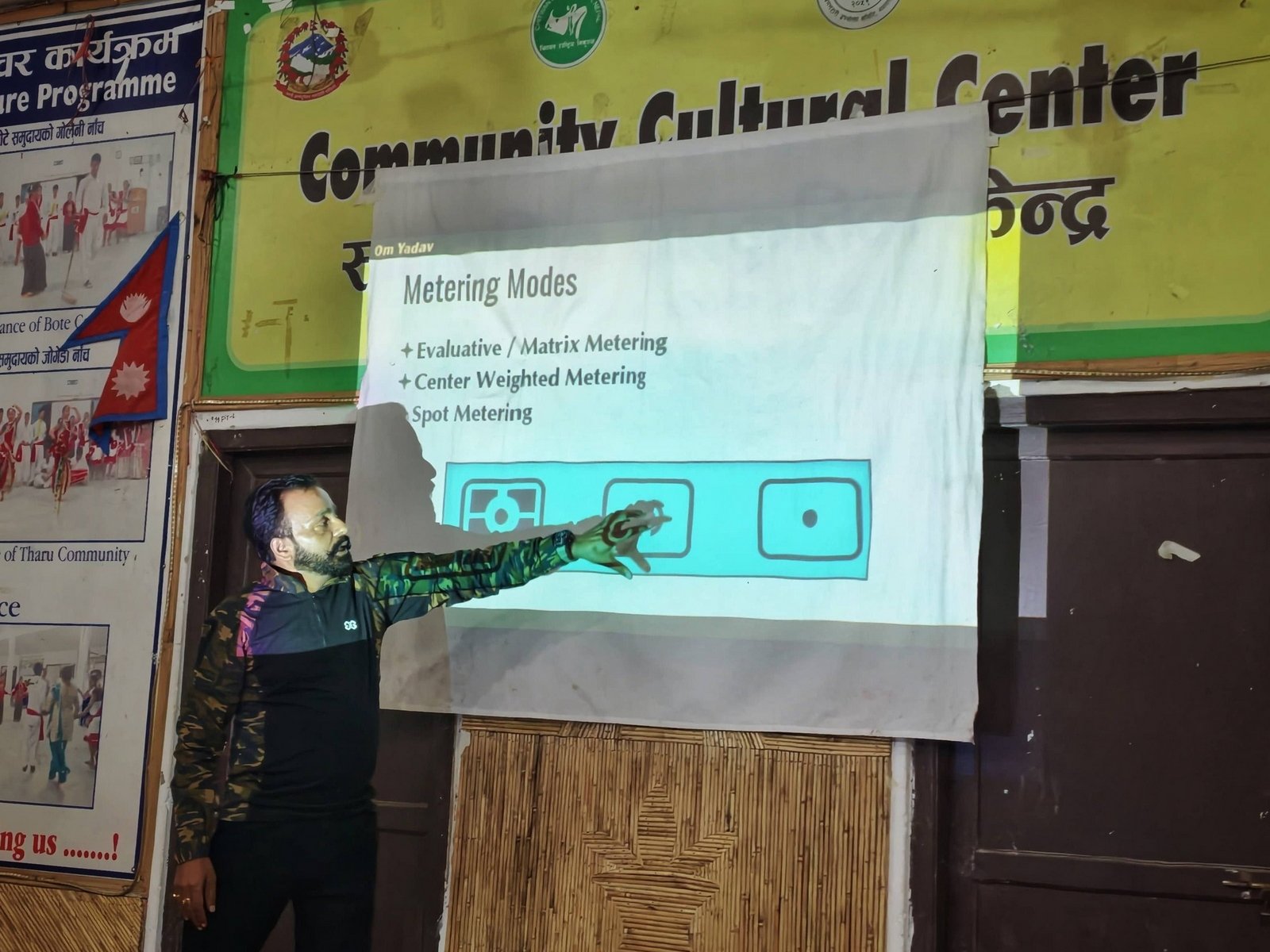
Camera handling and basic settings for wildlife photography
Working with natural light in forests, wetlands, and grasslands
Understanding animal behavior to anticipate action and reduce disturbance
Composition for species, habitat, and human–wildlife interaction stories
Ethical wildlife photography guidelines and field conduct
Responsible distance, approach, and use of vehicles in protected areas
Photography as a tool for conservation awareness and education
Approach and Methodology
The training combined:
Classroom-style explanations using real field examples
Practical outdoor sessions in natural habitats
Group discussions on ethical challenges faced by guides in daily work
Question and answer sessions based on participant experience
The focus remained on practical application, not theory, ensuring that guides could immediately apply what they learned in their guiding work.
Outcomes
By the end of the program, participating guides had:
Improved confidence in using cameras and smartphones for wildlife photography
Better understanding of ethical boundaries in wildlife photography
Increased awareness of how images influence visitor behavior and conservation attitudes
Practical skills to document species and habitats for education and interpretation
Why This Training Matters
Wildlife guides are the first point of contact between visitors and nature. By strengthening their photography skills and ethical understanding, this program supports:
Better visitor education
Reduced disturbance to wildlife
More responsible tourism practices
Stronger conservation messaging from the ground level
This aligns directly with the goals of sustainable tourism and long-term conservation in Nepal’s protected areas.
About the Trainer
Om Prakash Yadav is a wildlife, nature, and conservation photographer from Nepal with over two decades of experience in photography, education, and visual documentation. He works closely with conservation organizations, research teams, and development partners to strengthen conservation communication through ethical and accurate visual storytelling.