
A Hidden Biodiversity Haven in Dhanusha
Last week, I visited Dhanushadham Protected Forest in Dhanusha district, not expecting to be surprised. It is not a place that appears frequently in wildlife discussions, nor is it counted among Nepal’s well-known conservation destinations. Yet within a relatively small area, I encountered a level of biodiversity that challenged that assumption. What appears modest on a map reveals itself, on the ground, as a remarkably rich and living ecosystem.
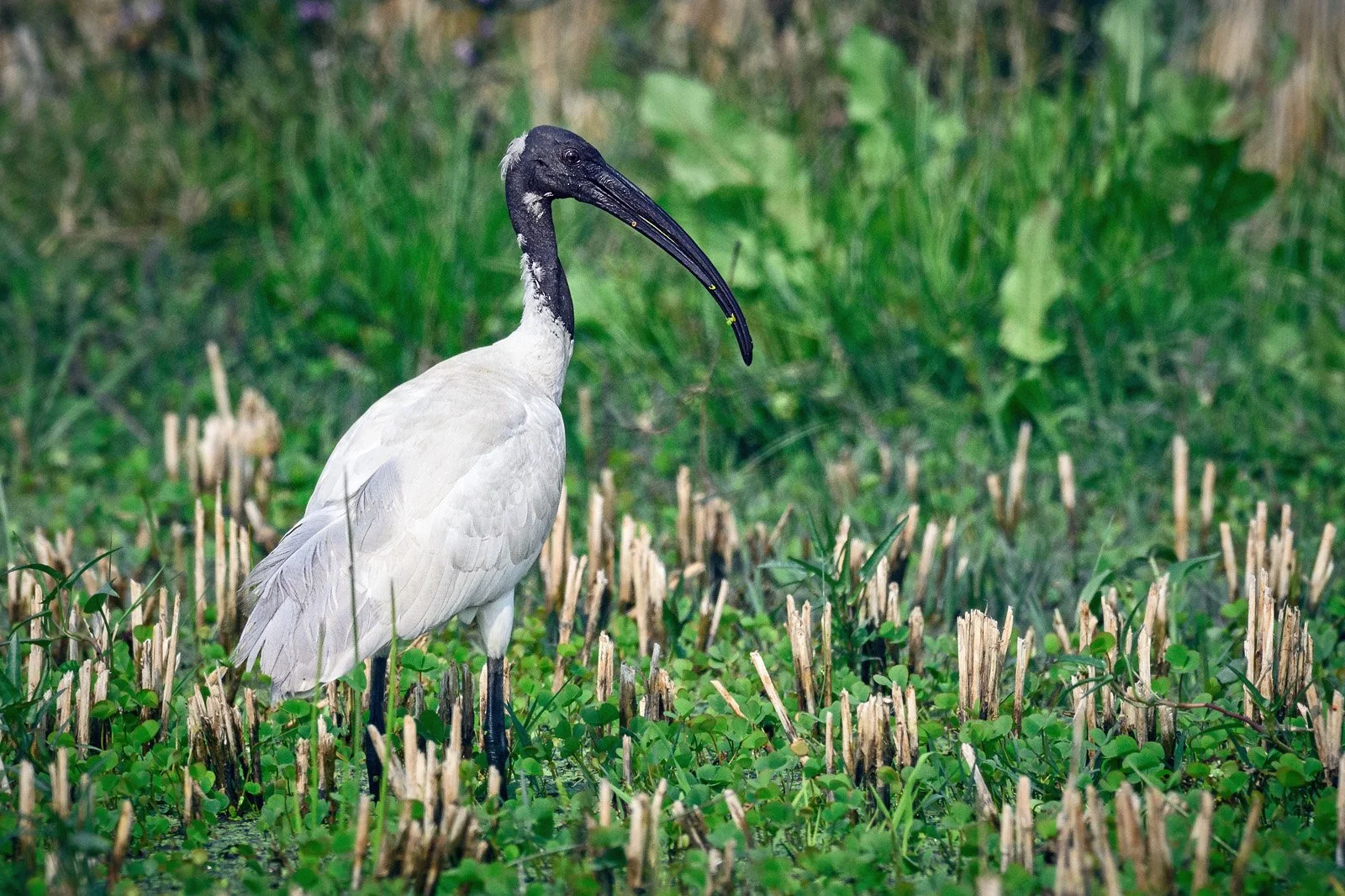
Black-headed Ibis in Farmland Near Dhanushadham Protected Forest
Dhanushadham Protected Forest may not have the scale of Nepal’s national parks, but its ecological value is impressive. According to information shared during my visit, a line transect survey recorded 40 species of trees within the forest. In addition, 31 species of shrubs and 40 species of herbs have been documented. For a forest of modest size, that level of plant diversity immediately stood out to me.
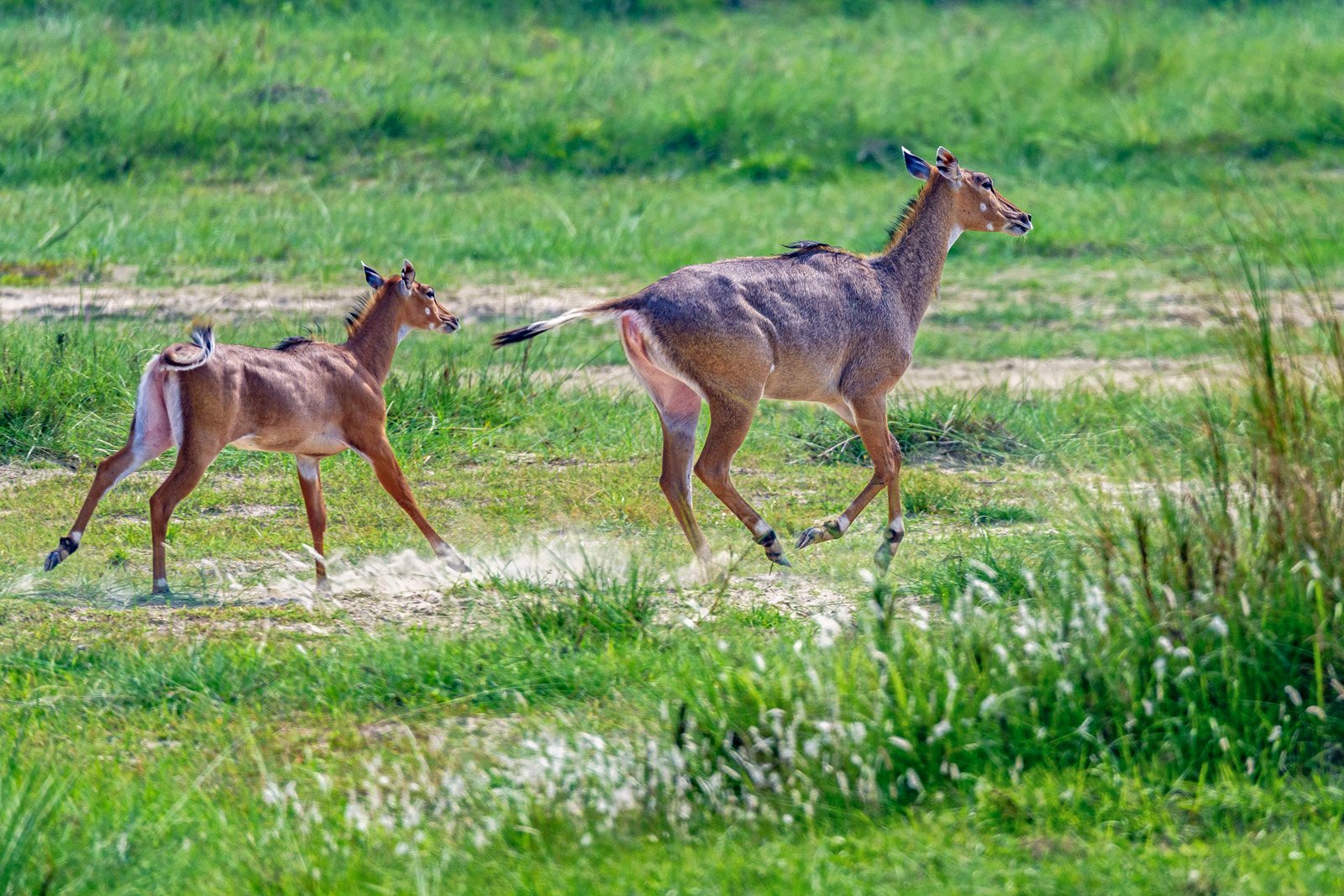
Nilgai Female and Calf Galloping in the Floodplains of a River Near Dhanushadham Protected Forest
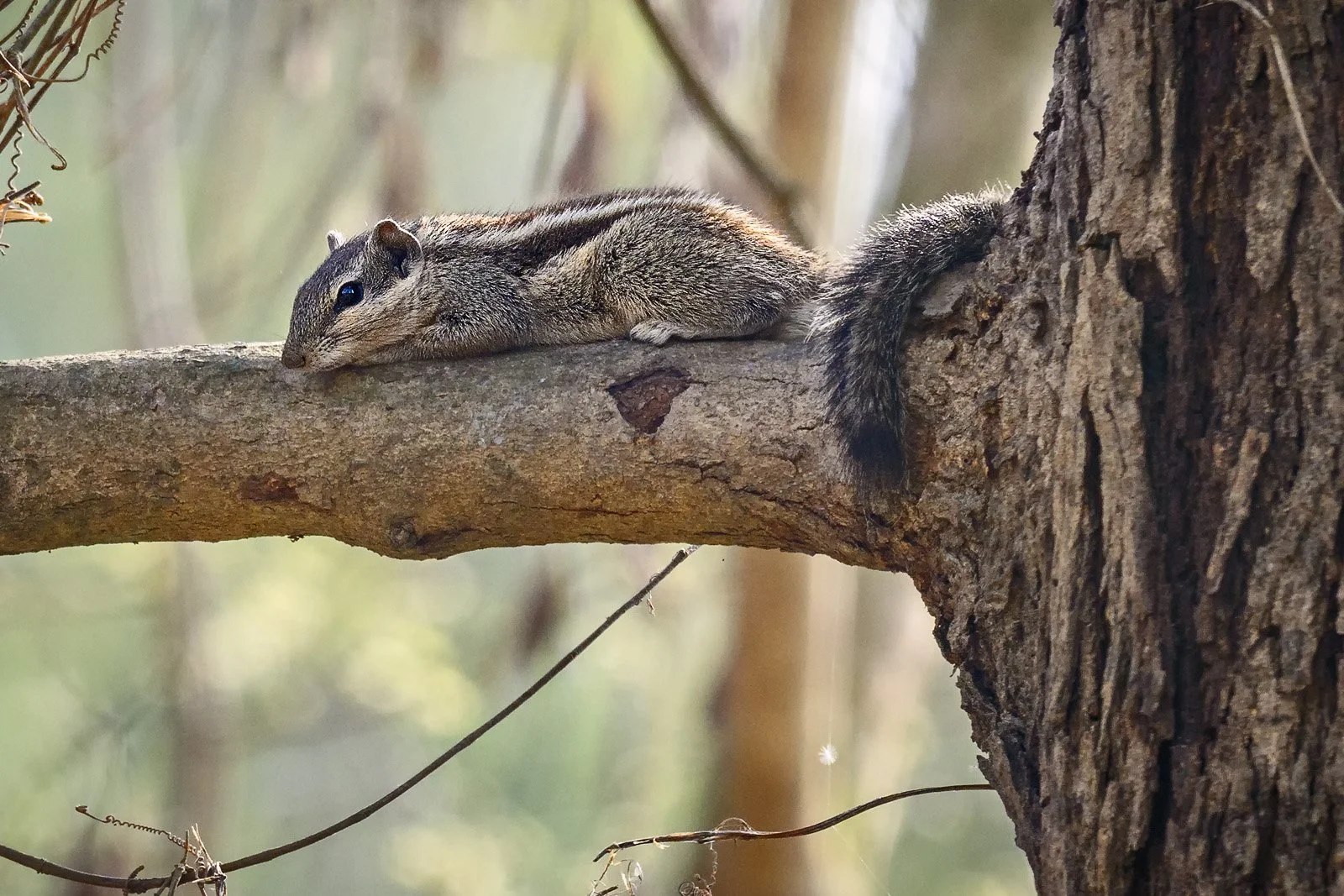
Three-stripe Squirrel Resting on a Branch
The faunal diversity was equally encouraging. Ten species of mammals have been identified through direct observation. Fourteen species of reptiles and three species of amphibians have been recorded. More than 325 species of resident and migratory birds have been documented in and around the forest area. For bird enthusiasts, this number alone makes the site significant.
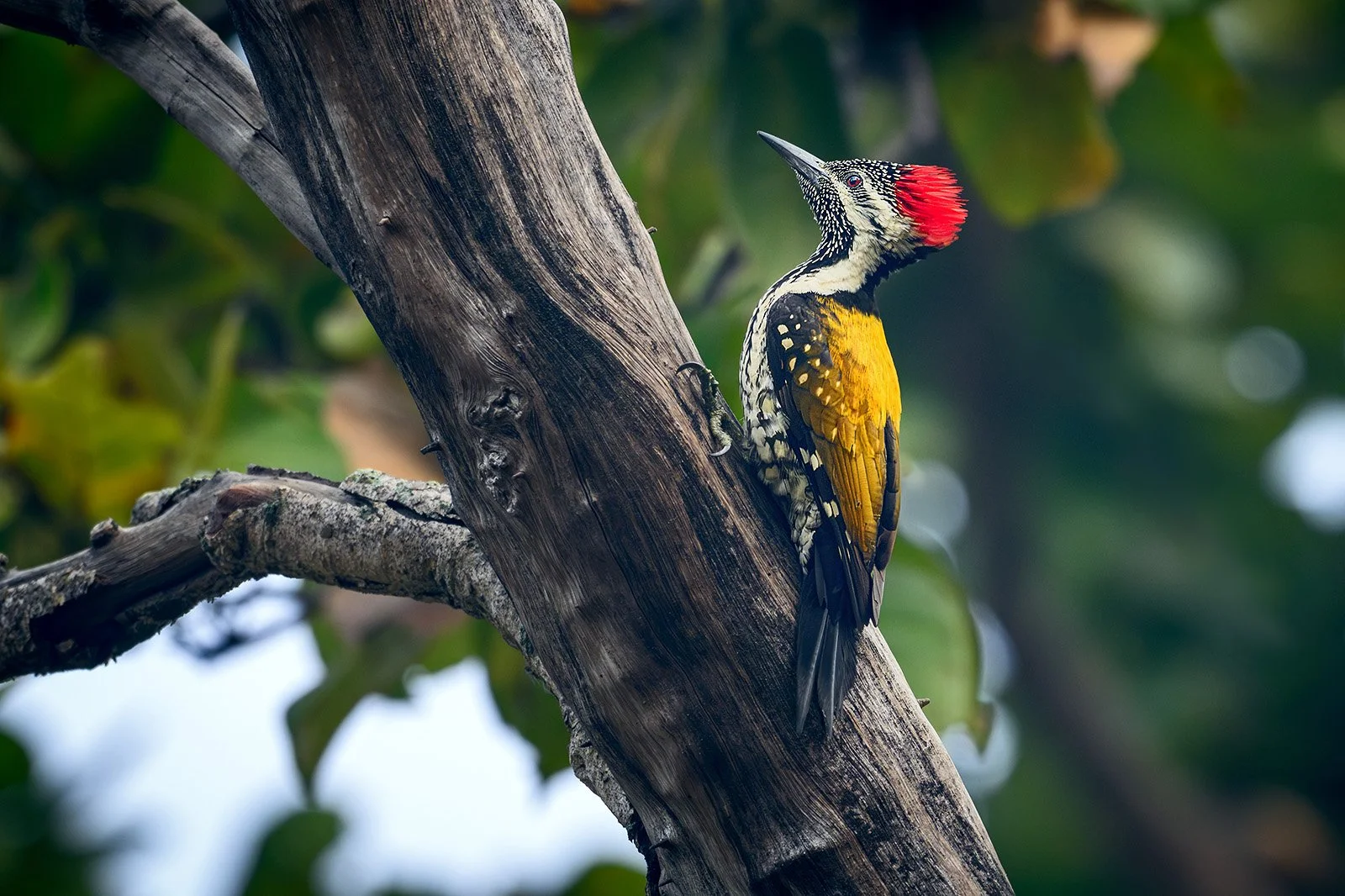
Black-rumped Flameback Inside Dhanushadham Protected Forest
During my brief visit, I was able to photograph several bird species. Even within a short period of time, the activity and movement suggested that this forest functions as an important habitat and seasonal refuge. The presence of both resident and migratory birds highlights its ecological connectivity within the larger landscape of the Terai.
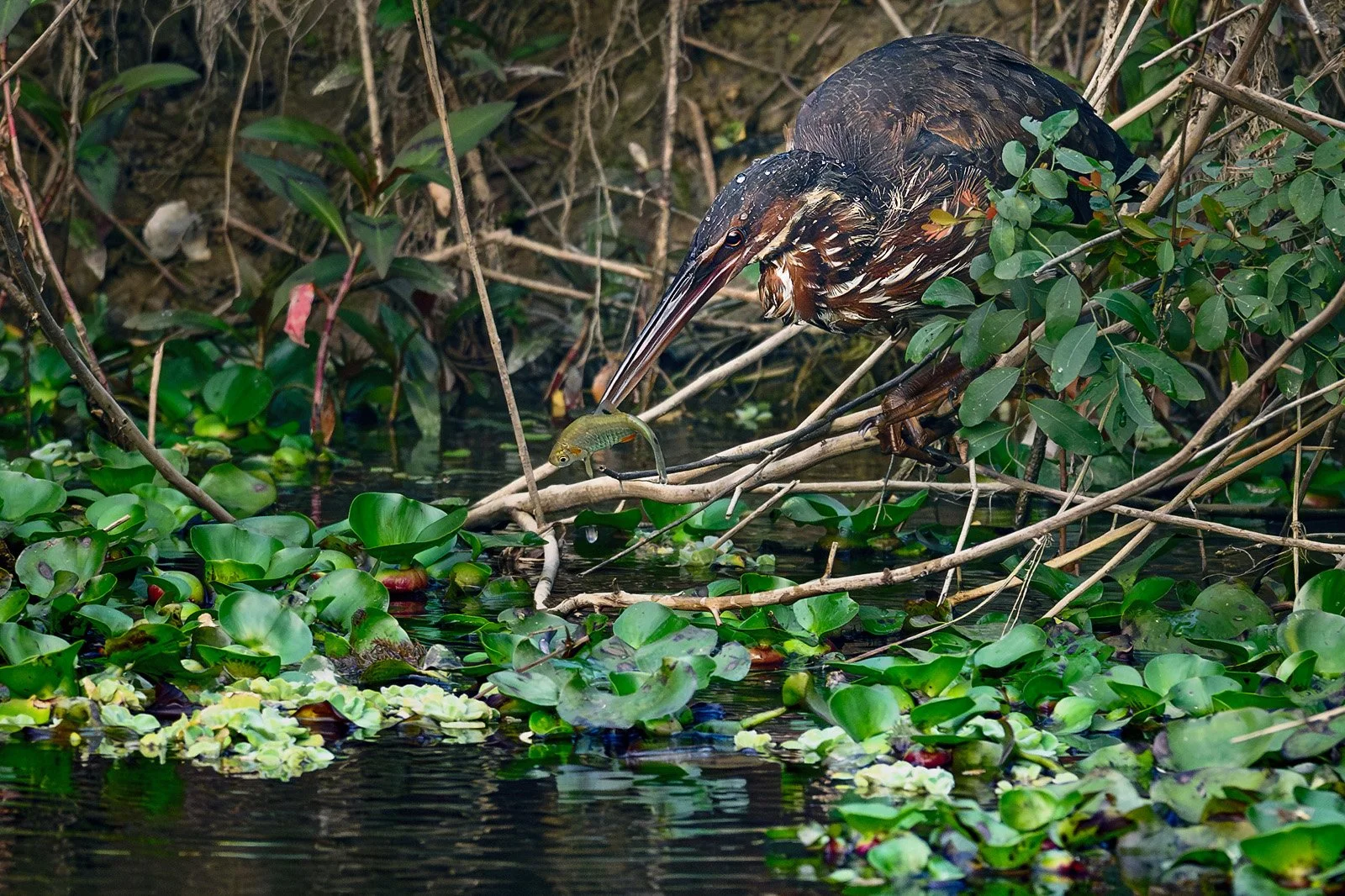
Black Bittern Catching a Fish in a Wetland Near Dhanushadham Protected Forest
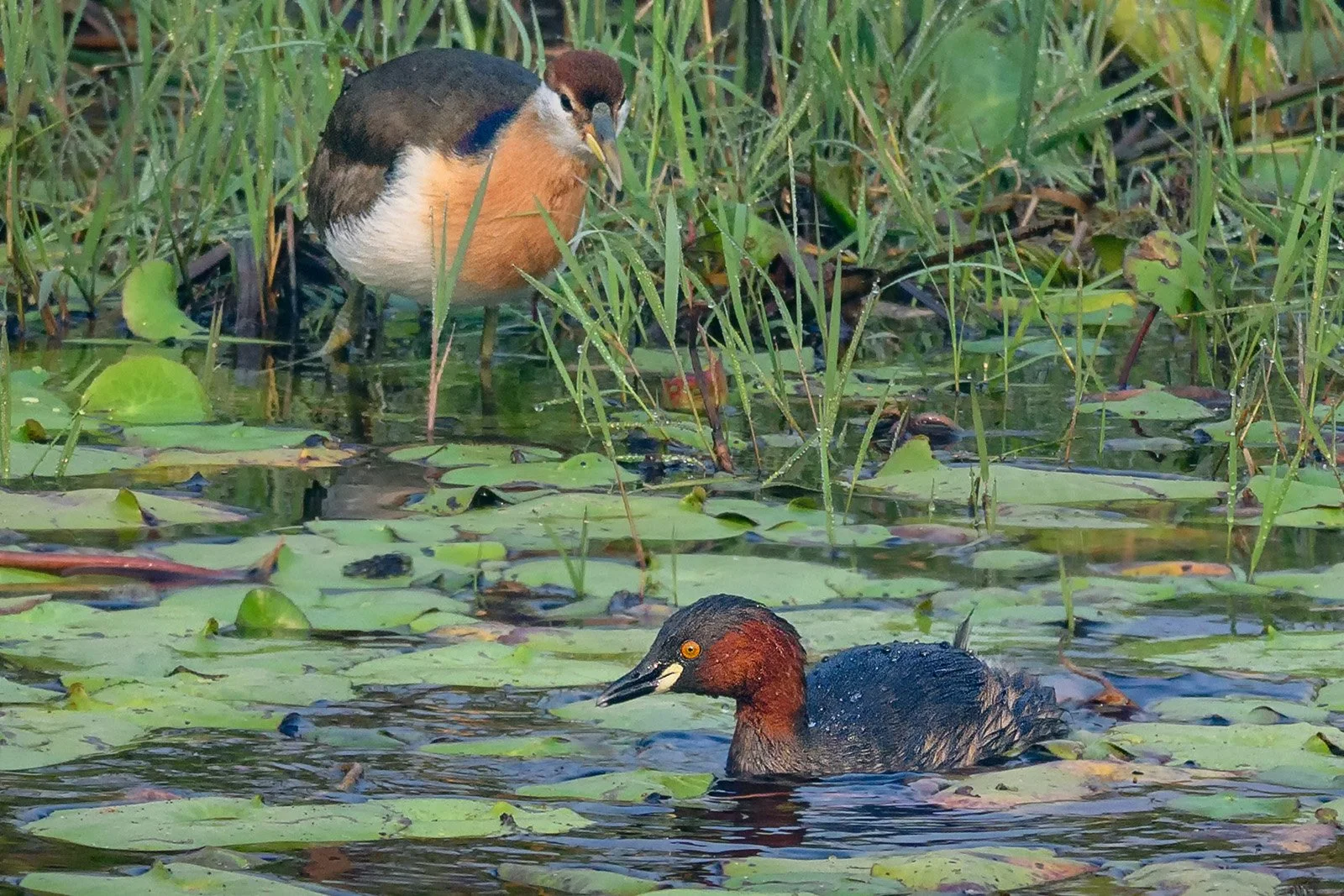
Little Grebe and Bronze-winged Jacana in Wetland Inside Dhanushadham Protected Forest
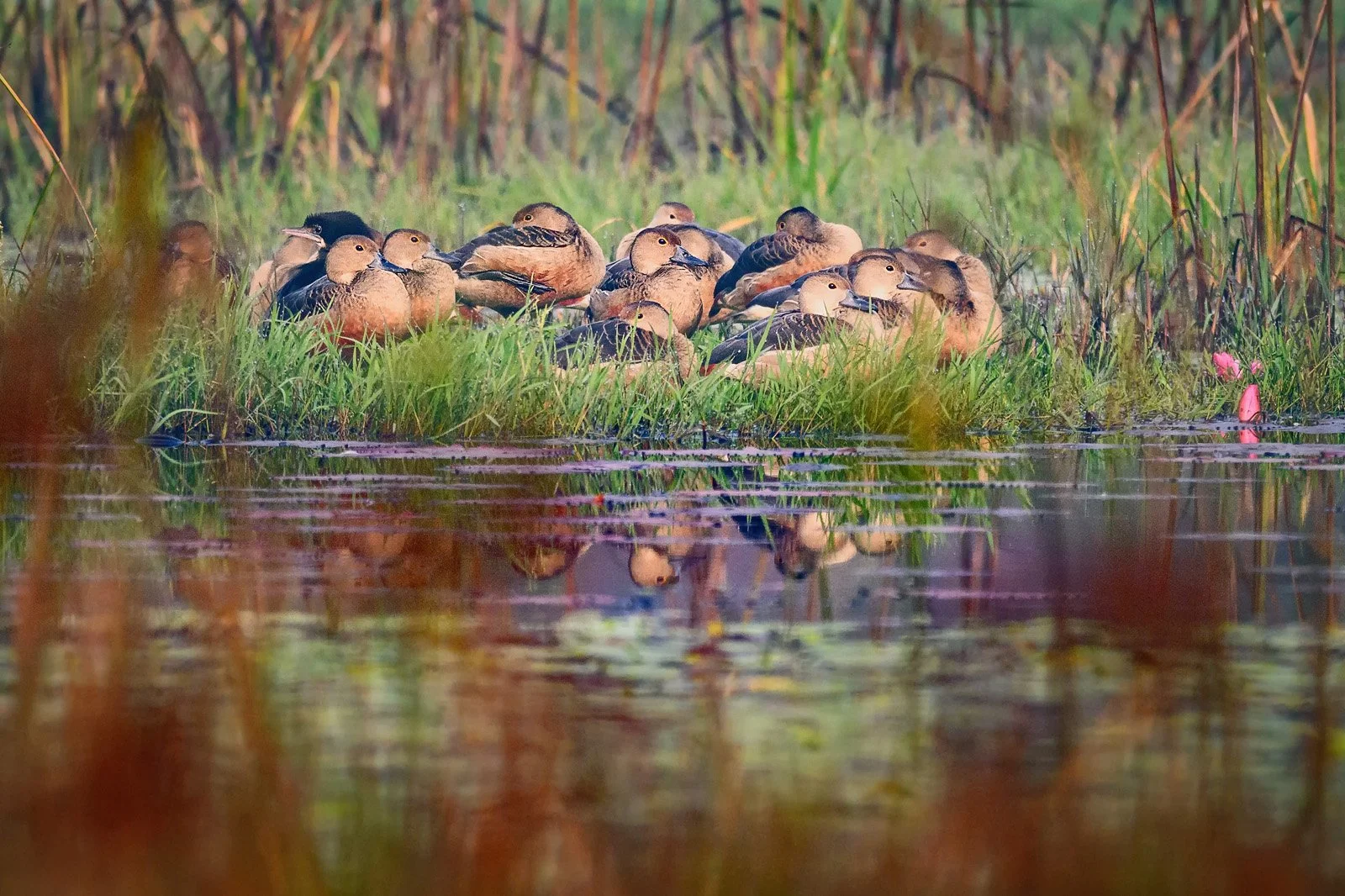
Lesser Whistling Ducks Resting in Wetland Inside Dhanushadham Protected Forest
The forest is managed by the Dhanusha District Forest Office in collaboration with Mithila Wildlife Trust. Their work includes plant regeneration, lake restoration, infrastructure development, and plantation programs supported by various national and international organizations. It was encouraging to learn that active conservation and restoration efforts are ongoing, rather than the area being left unmanaged.
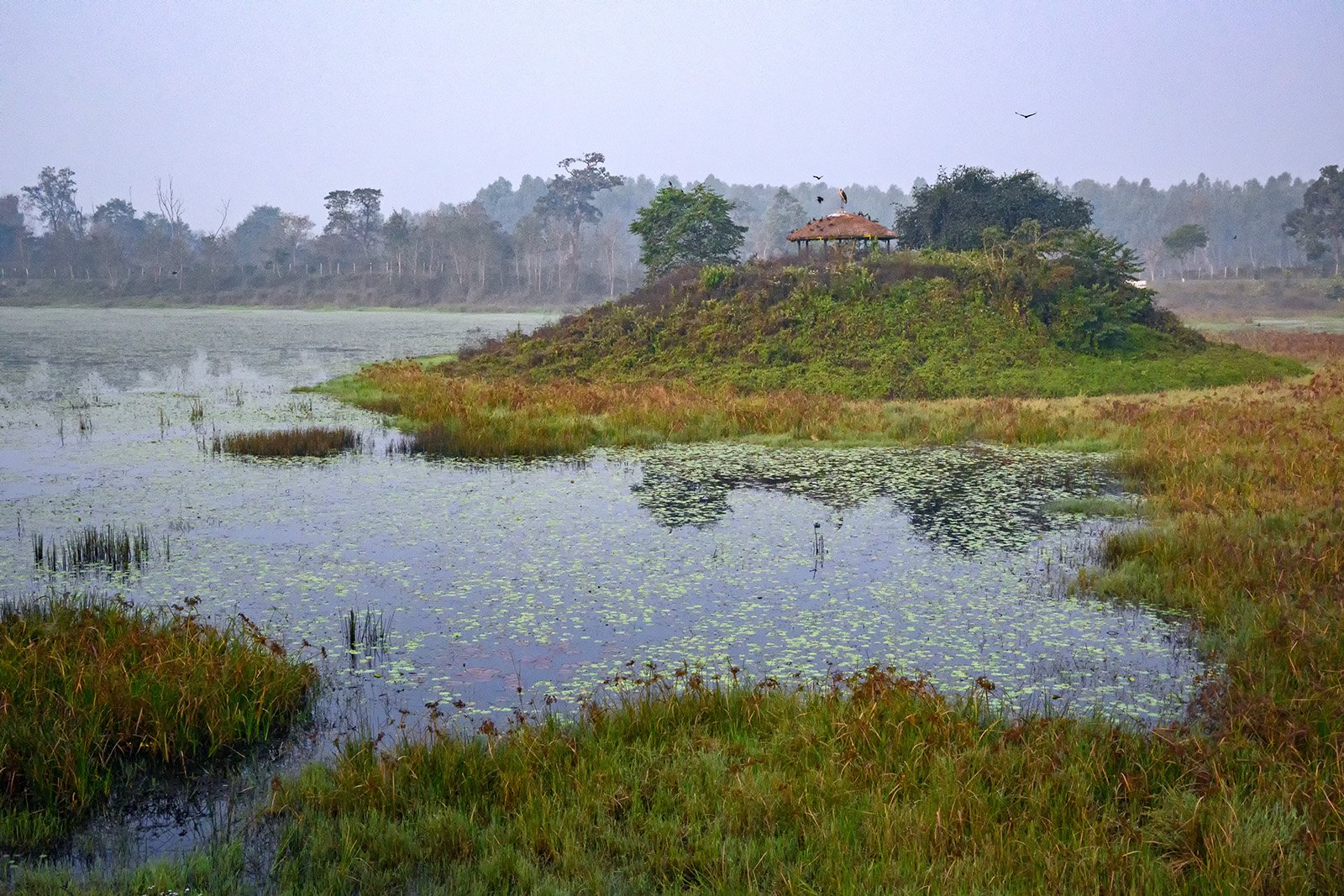
Restored Natural Wetland Inside Dhanushadham Protected Forest
What struck me most was how easily places like this are overlooked. When wildlife discussions focus mainly on larger and more famous protected areas, smaller forests with significant biodiversity often remain underappreciated. Yet ecosystems do not need vast boundaries to be important. Sometimes, smaller protected spaces play a crucial role in maintaining regional biodiversity, supporting migratory routes, and sustaining local ecological balance.
Dhanushadham Protected Forest deserves more attention from conservation organizations, policymakers, researchers, and wildlife enthusiasts. Increased awareness can lead to stronger protection, better funding, and deeper community engagement. Places like this remind us that conservation is not only about iconic species or large landscapes. It is also about recognizing and valuing the quiet, resilient ecosystems that continue to thrive away from the spotlight.
