
A Restaurant for Vultures: Conservation in Action
On the grasslands of Nawalparasi in southern Nepal, there is a place where conservation takes an unusual form. No tables, no chairs, and no human customers. Instead, the diners arrive from the sky.
The vulture, once on the brink of disappearance across South Asia, gathers here in large numbers to feed safely. This place is known as the Jatayu Vulture Restaurant, a community-led conservation effort that has become one of Nepal’s most remarkable wildlife recovery stories.
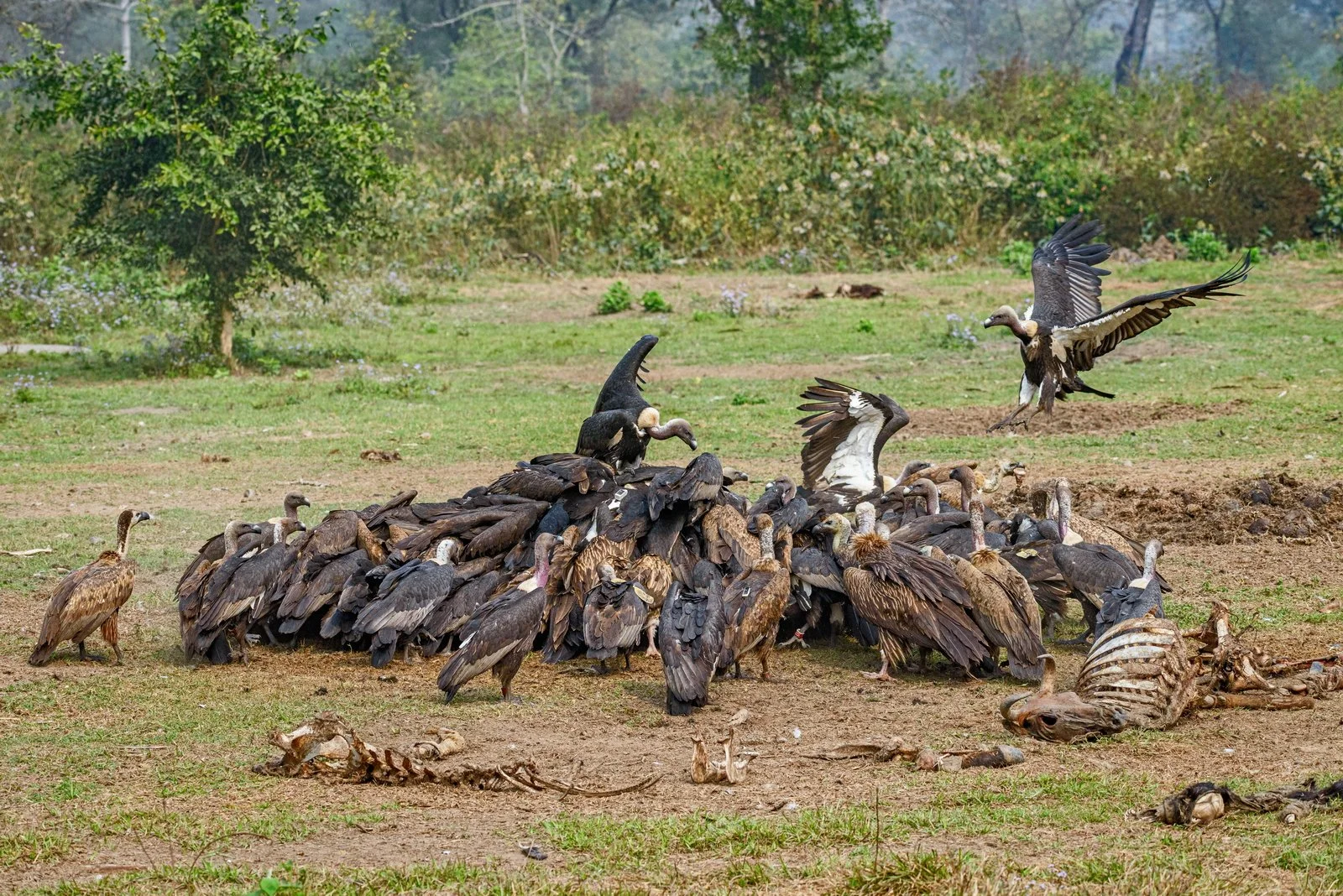
Different Species of Vultures Feeding at Jatayu Vulture Restaurant
When I first visited the Jatayu Vulture Restaurant in 2021, I was curious to see how a “restaurant” for vultures actually worked. The idea sounds unusual at first, but the concept behind it is simple and powerful: provide safe, uncontaminated livestock carcasses for vultures to feed on in a controlled area where harmful veterinary drugs are strictly avoided.
For decades, vultures across South Asia suffered a catastrophic decline after exposure to the veterinary drug Diclofenac, which proved fatal when the birds fed on livestock carcasses containing the drug. Populations of several vulture species crashed rapidly, and birds that once filled the skies became rare sightings.
The vulture restaurant was created as a response to that crisis. Local communities, conservation groups, and forest authorities began working together to establish a safe feeding site where livestock are monitored and guaranteed to be free of harmful medicines before being offered to the birds.
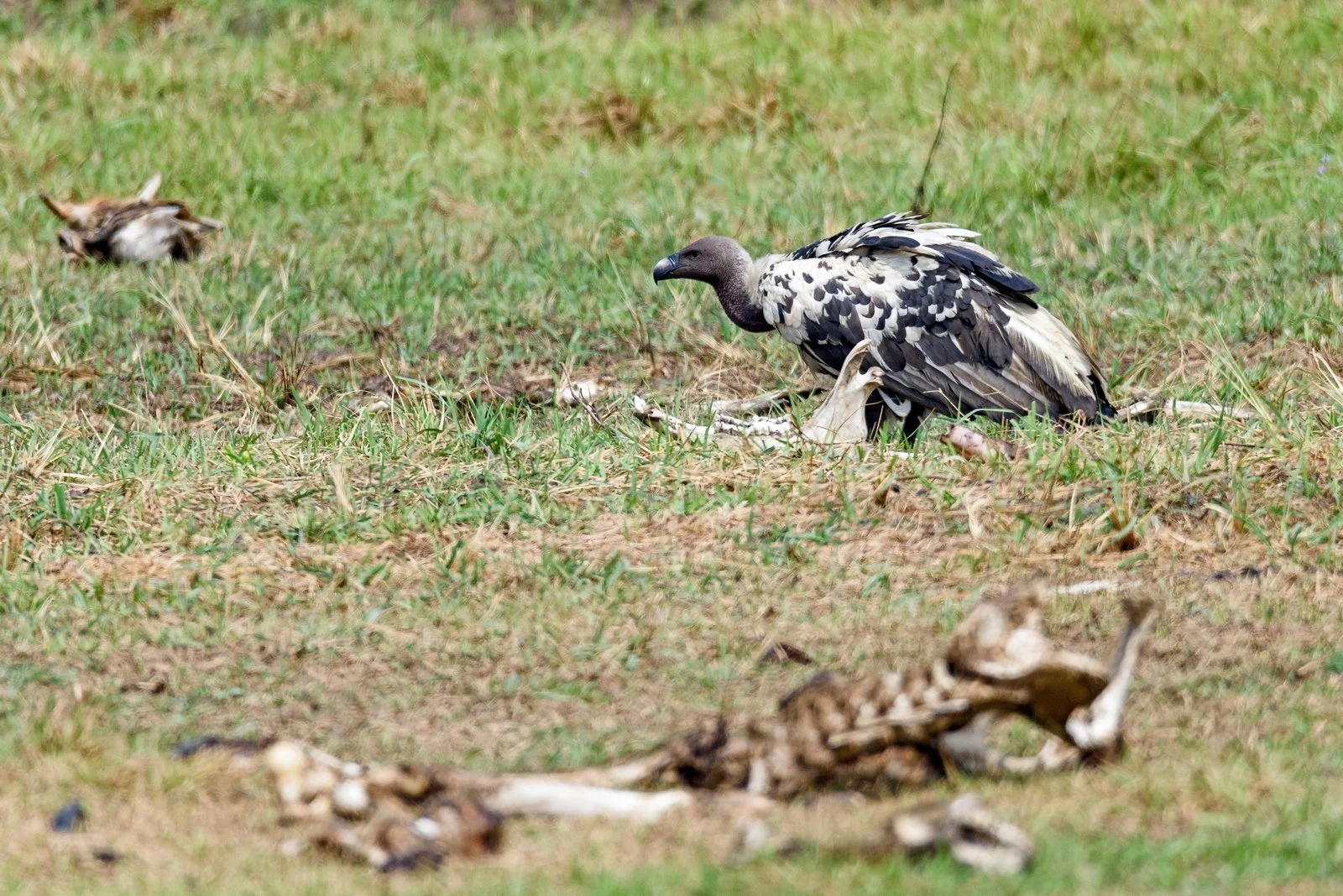
White-rumped Vulture Juvenile
Looking across the open grassland, it is hard to imagine that this quiet field has played such an important role in bringing vultures back.
Instead of appearing randomly in the sky, the vultures here respond to something very specific. Over time they have learned to recognize the person who brings the carcasses to the feeding ground. The moment his motorbike or the small cart carrying the carcass approaches the site, the birds begin to gather.
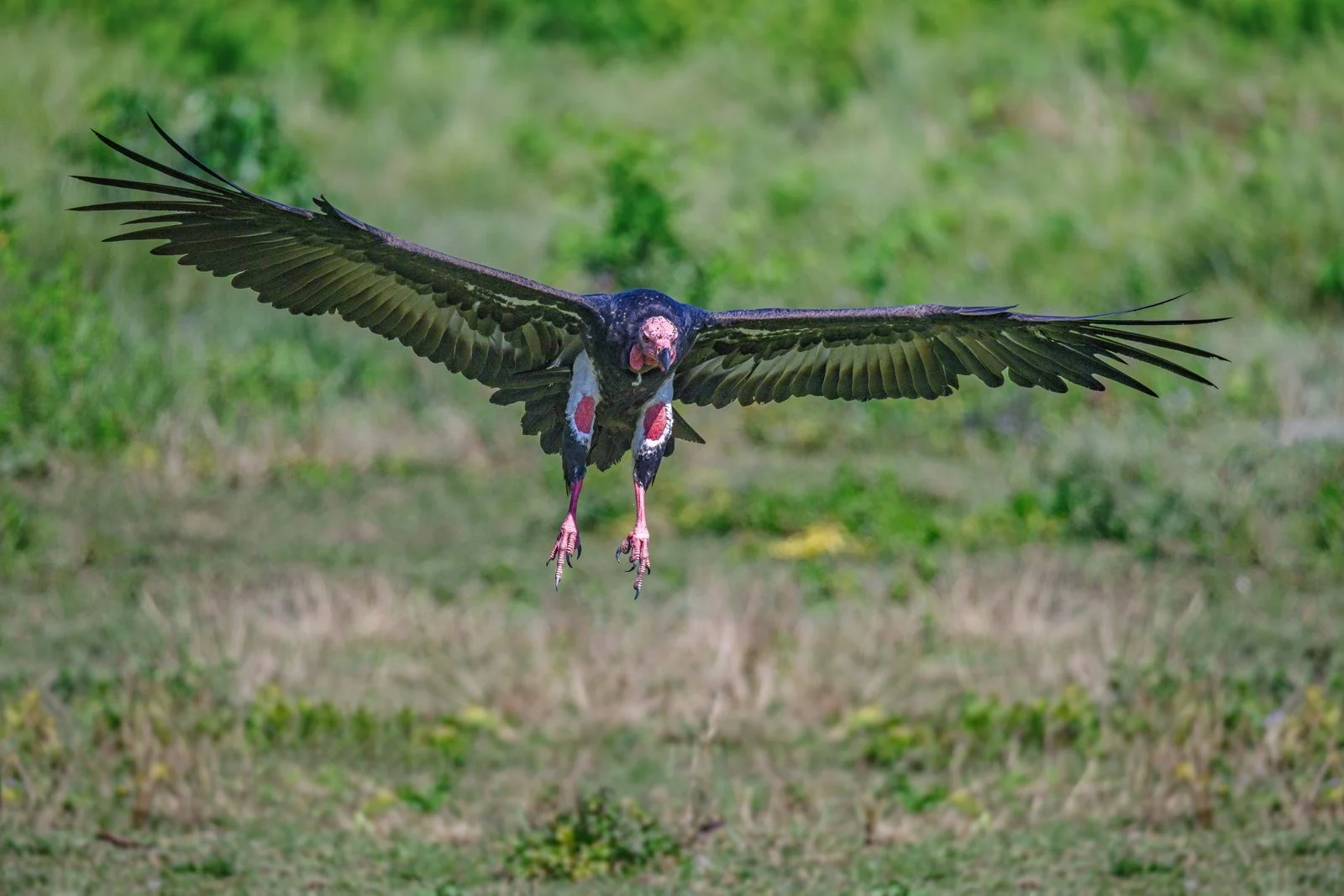
Red-headed Vulture Wings Spread in Flight, About to Land
Local staff shared another remarkable detail with me. If no carcass is brought for two or three days, the vultures become restless. Instead of waiting at the feeding site, they fly to the man’s house and perch in the surrounding trees, almost as if reminding him that the restaurant has not opened.
What began as a conservation experiment has created a predictable relationship between people and birds. The vultures have learned where safe food can be found, and they return again and again to the same place.
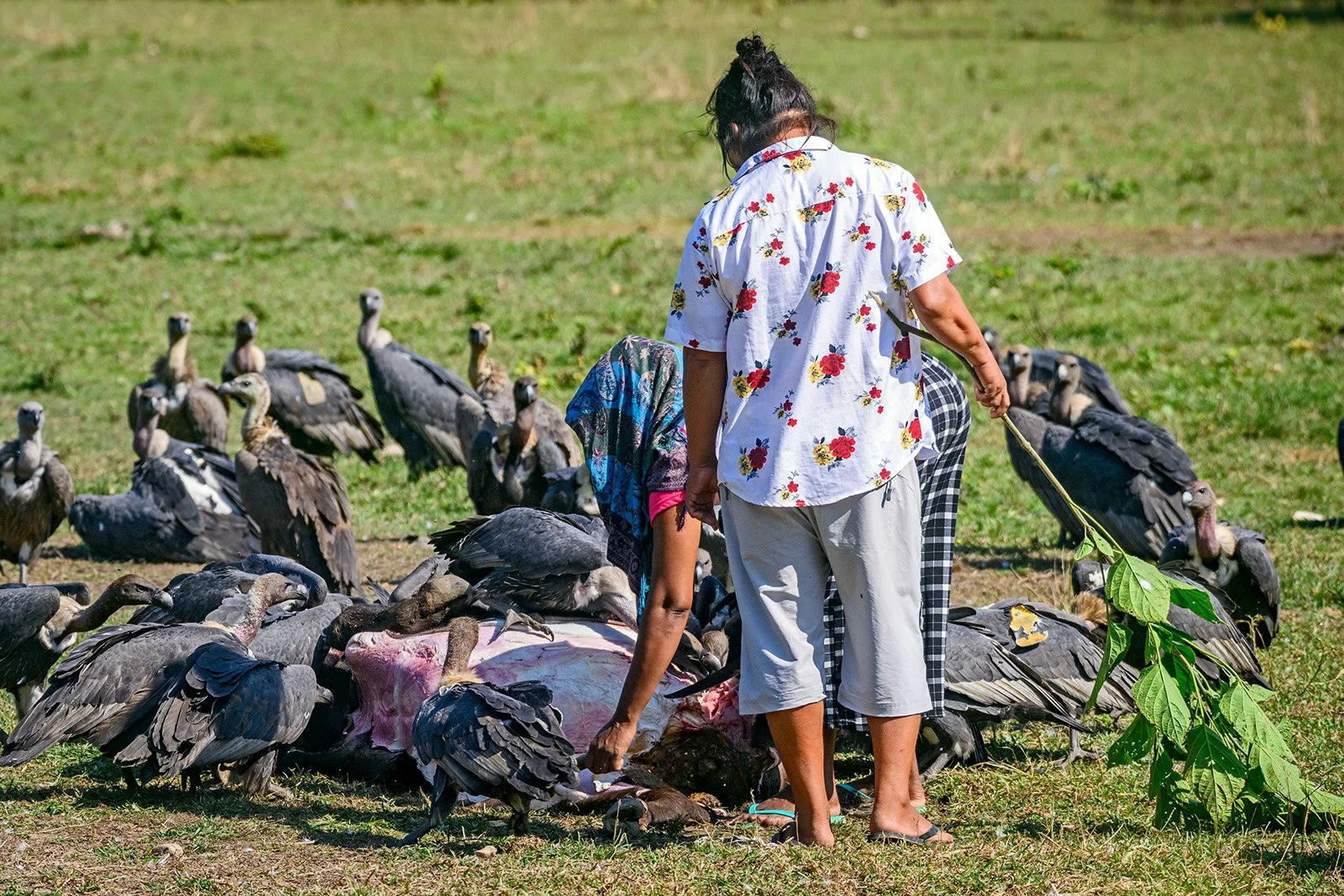
Staff Preparing Carcass for the Vultures at Jatayu Restaurant
For a wildlife photographer, it is an extraordinary moment to observe and document. The number of birds, their size, their interactions, and the intensity of the feeding behaviour all create a powerful visual story.
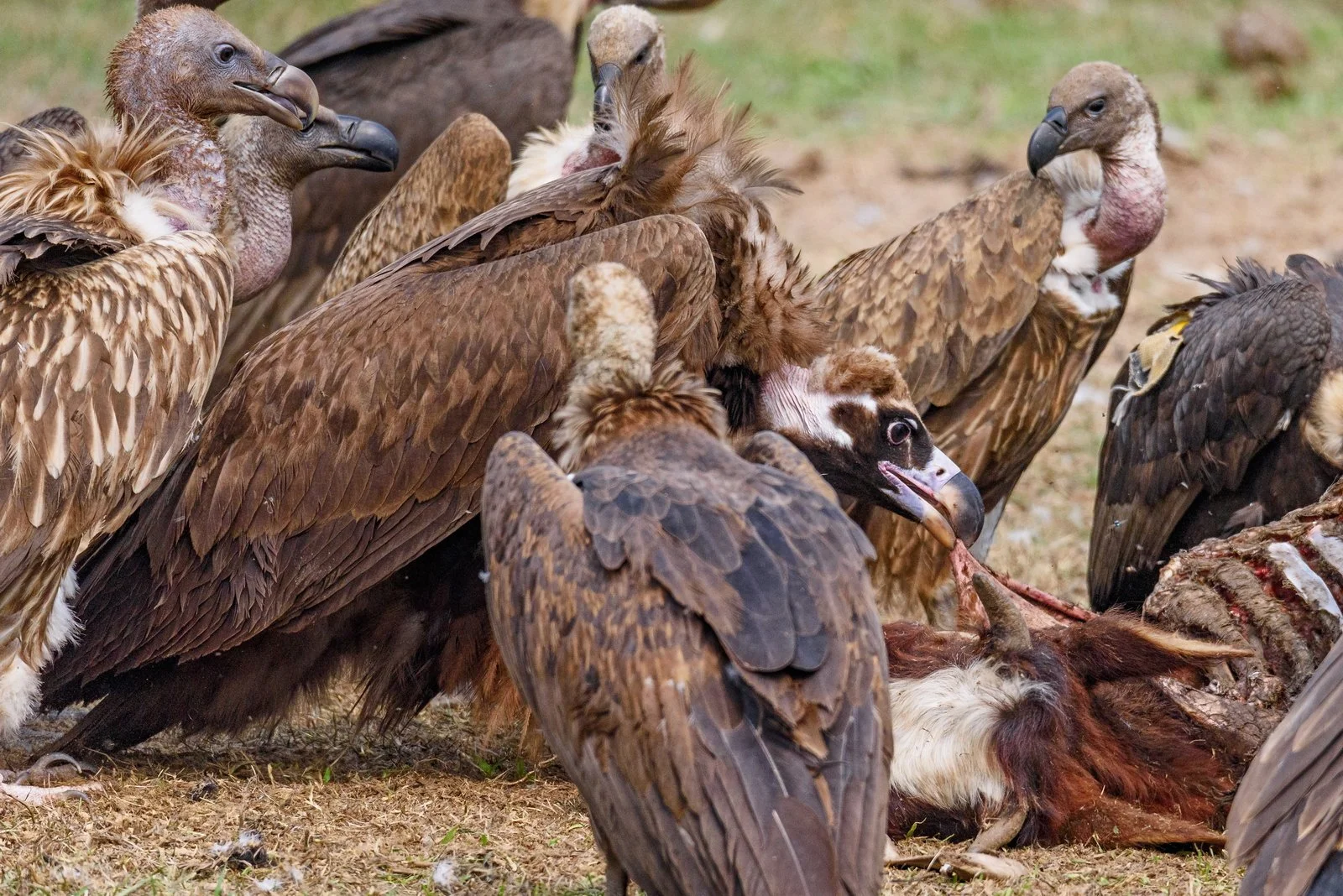
Cinereous Vulture Tearing Flesh off a Carcass While Some Himalayan Griffons Wait
Watching them closely, it becomes clear that there is a natural order even within the chaos. Larger vultures dominate the carcass while others wait patiently on the edges. Some birds hop forward cautiously, others spread their wings to claim space, and a few perch nearby, waiting for their turn.
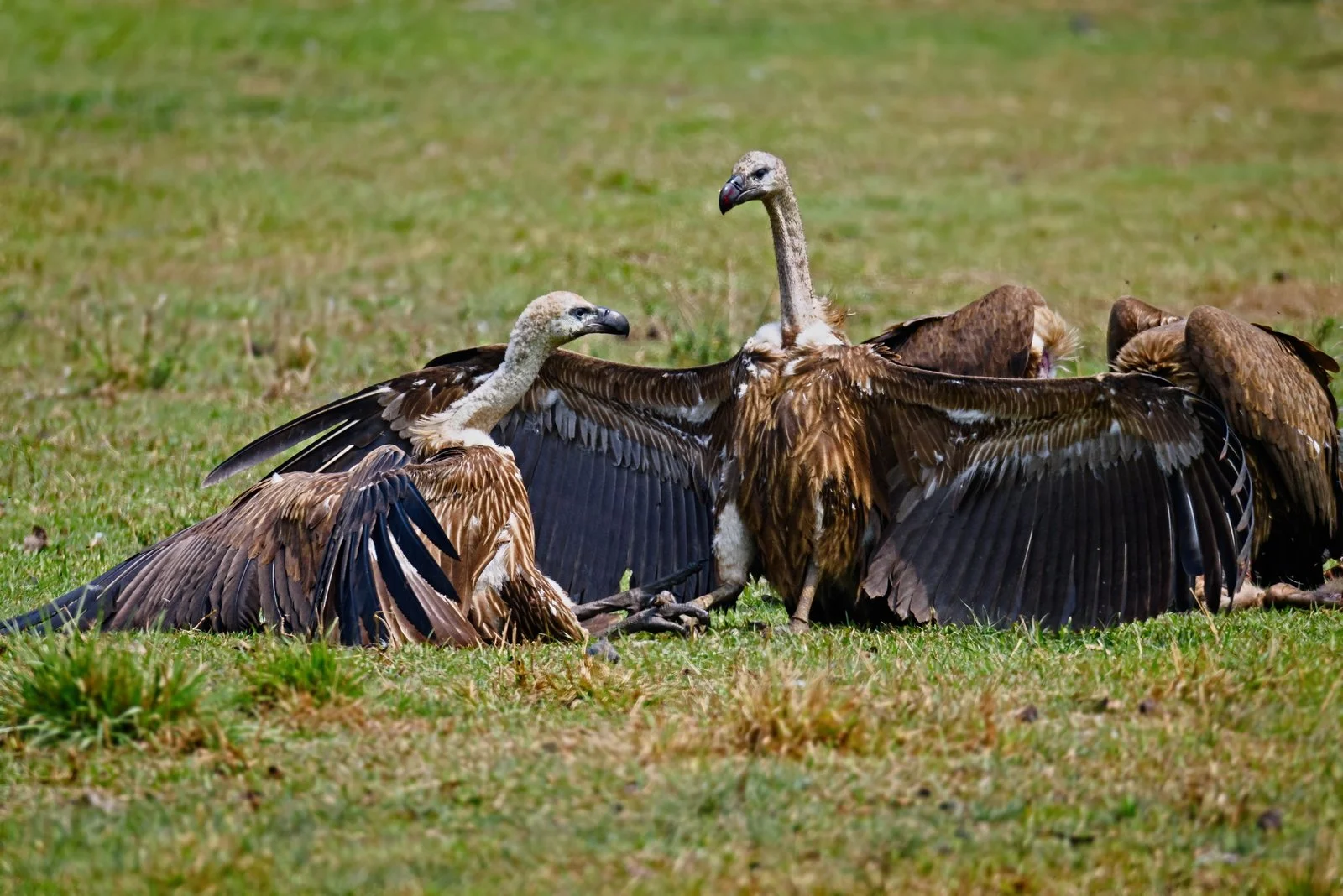
Himalayan Griffon Vulture Spreading its Wings to Assert Dominance
Experiencing this gathering also reveals how important vultures are in nature. They are nature’s sanitation workers, removing carcasses quickly and preventing the spread of disease. Without them, ecosystems and even human communities can face serious health risks.
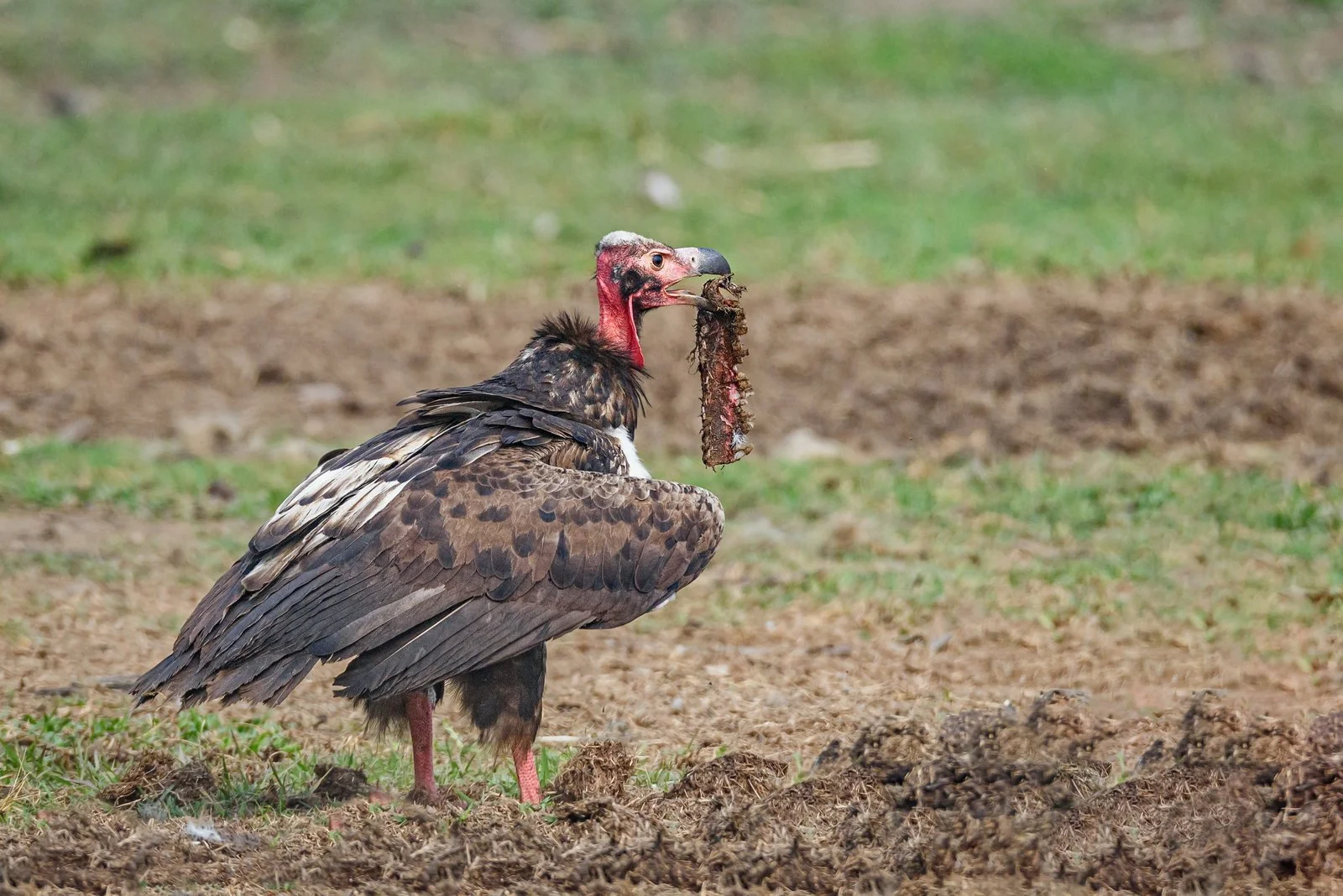
Red-headed Vulture Holding Meat from Carcass in its Beak
The most remarkable part of the story, however, is not just the birds themselves. It is the people behind the project. Local communities, conservation organisations, and government agencies have worked together to protect vultures and restore their numbers.
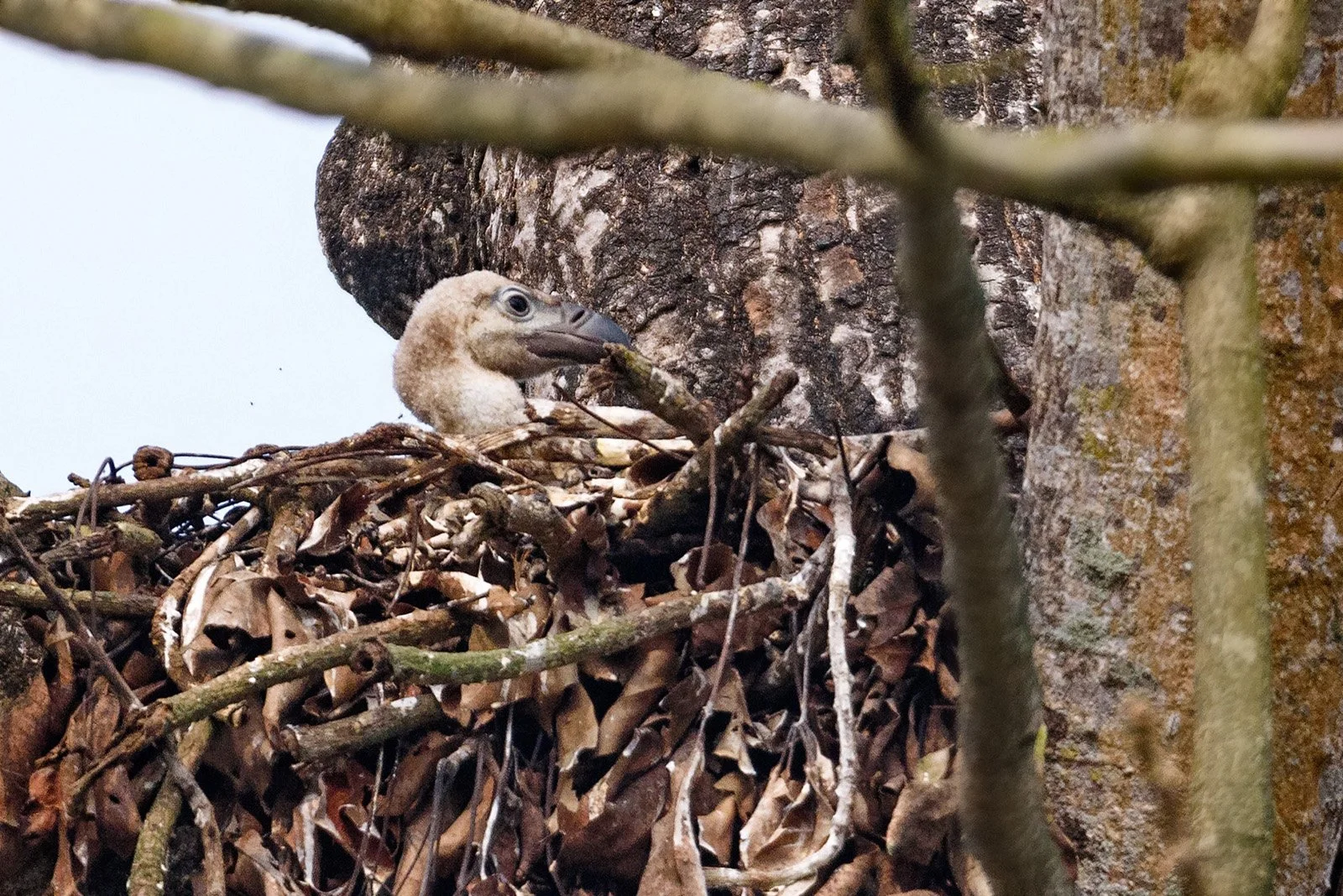
Egyptian Vulture Hatchling in Nest near Jatayu Vulture Restaurant
What once seemed like an unusual idea has now become a model of community-based conservation. The Jatayu Vulture Restaurant has helped create a safe zone where vultures can feed without danger, and today the skies above the area once again fill with these important birds.
For me, witnessing this gathering of vultures was more than a photographic opportunity. It was a reminder that conservation success is possible when science, local knowledge, and community effort come together. Each bird circling above the grasslands represents not only survival, but hope for the future of species that once stood on the edge of disappearance.
