
Crocodile Conservation in Nepal
Documenting Gharials and Marsh Muggers in Nepal’s River Ecosystems
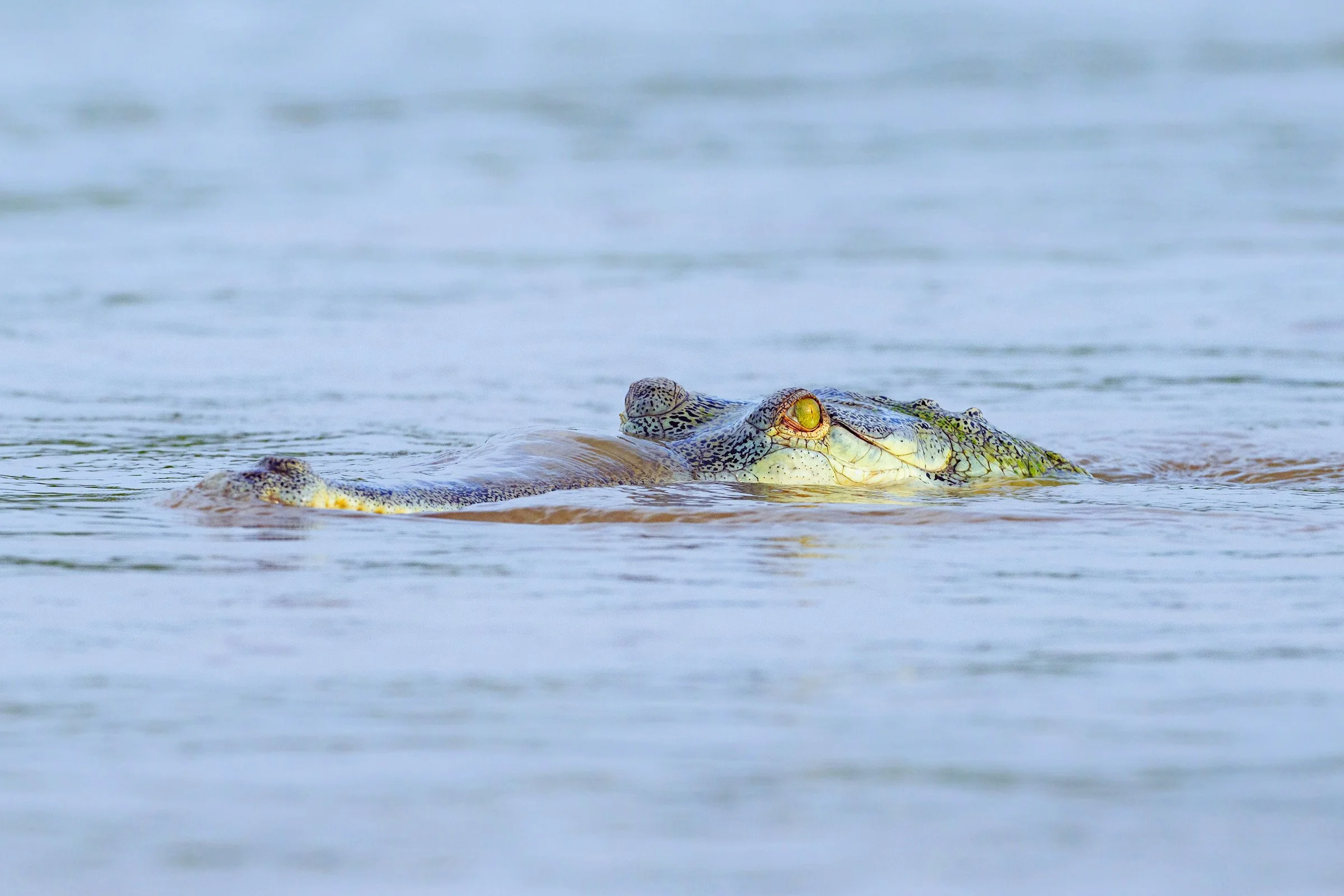
Nepal’s rivers tell ancient stories — of life, movement, and quiet endurance. Along their sandbanks and सिमसार (wetlands) live two of South Asia’s most remarkable reptiles: the gharial (Gavialis gangeticus) and the marsh mugger (Crocodylus palustris). Once common across the major river systems, both species now survive only in small, isolated populations. Their future depends on ongoing conservation efforts that blend science, community involvement, and habitat restoration.
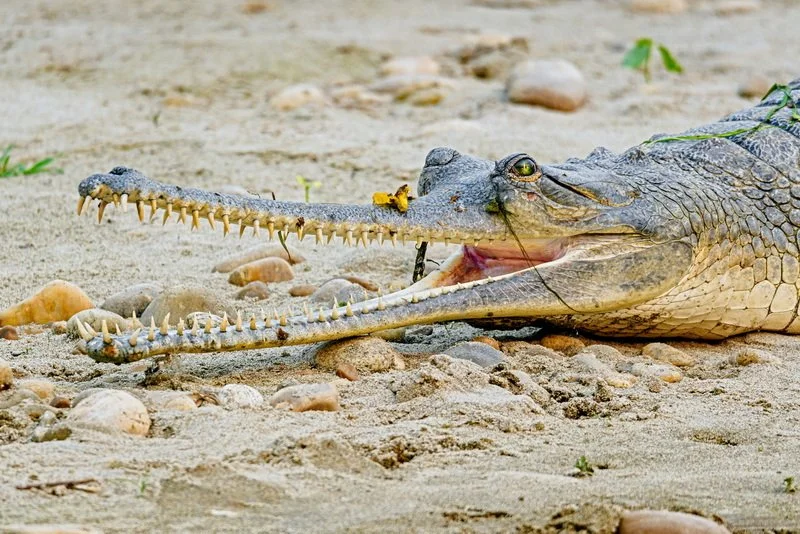
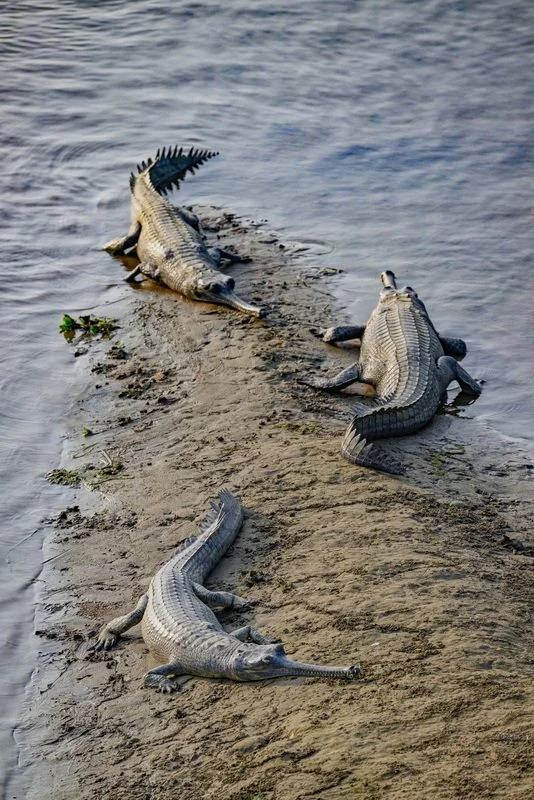
Through years of fieldwork, Om Prakash Yadav has documented the fragile world of these crocodilians. His photography captures gharials basking in morning sun along the Narayani and Rapti rivers, females nesting on eroding banks, and conservationists measuring hatchlings at the Gharial Breeding Centre in Kasara, Chitwan National Park. The images reveal the complex relationship between human activity and aquatic biodiversity — fishermen casting nets in the same waters where gharials once thrived, and river management projects reshaping their habitats.

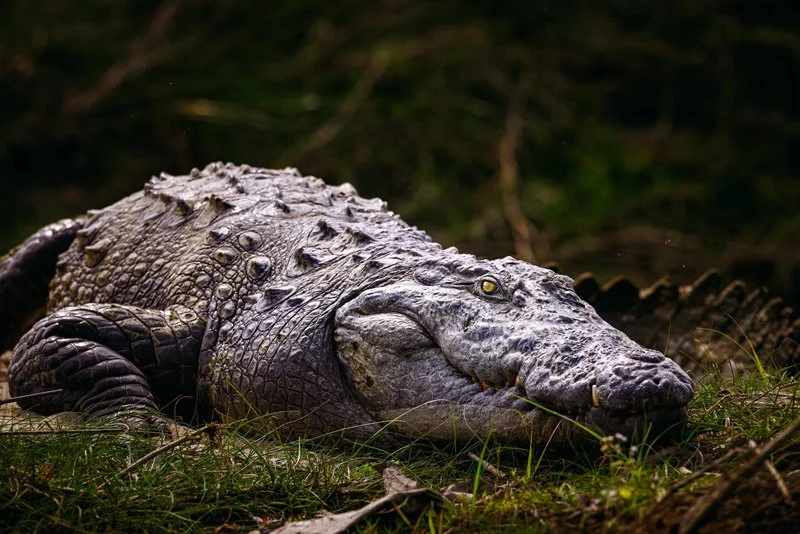
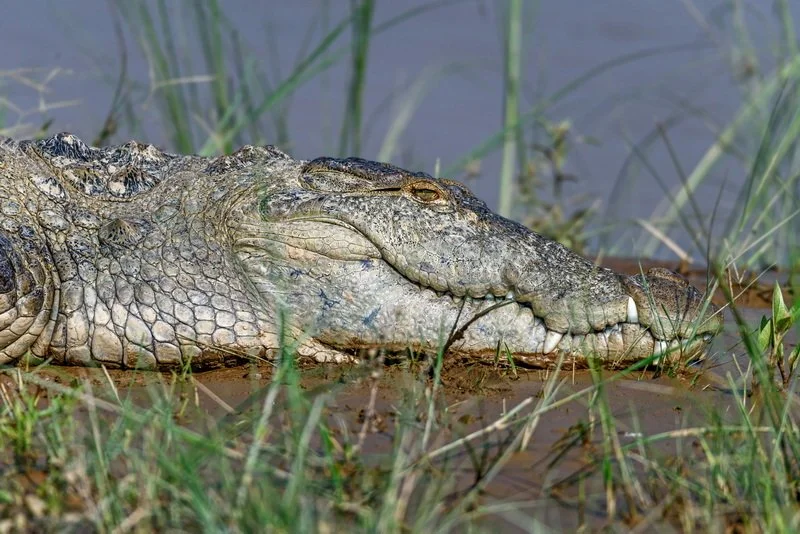
Crocodile conservation in Nepal faces many challenges. River damming, sand mining, pollution, and accidental entanglement in fishing gear all threaten survival. Yet dedicated conservation programs led by Department of National Parks and Wildlife Conservation (DNPWC), Wildlife Conservation Nepal (WCN), and local communities are making a difference. Om Prakash Yadav’s field documentation provides valuable visual evidence supporting these initiatives, helping researchers and educators communicate the need for integrated river management and public awareness.
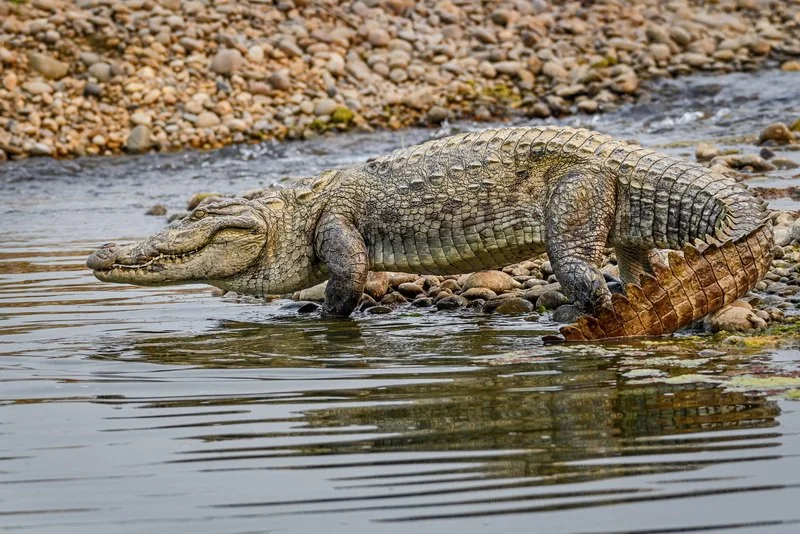
The gharial, with its long narrow snout and fish-specialized diet, is among the world’s most endangered reptiles. The marsh mugger, more adaptable and widely distributed, plays an equally important ecological role as a top predator maintaining the balance of aquatic food webs. Together, they serve as key indicators of the health of Nepal’s freshwater systems.
Yadav’s conservation photography goes beyond portraiture. Each frame records environmental conditions — river flow, sedimentation, nesting zones, and seasonal fluctuations that influence breeding success. His ethical approach avoids interference with natural behavior, ensuring that every image contributes to scientific integrity as well as public education.
By portraying crocodiles within the broader landscape — surrounded by birds, otters, and riparian vegetation — the photographs help audiences understand that these reptiles are not relics of the past but vital components of living ecosystems. The project underscores the importance of sustainable river governance, community stewardship, and transboundary collaboration with India for gharial population recovery.
Through visual storytelling, Om Prakash Yadav seeks to inspire respect for these often-misunderstood animals. His work reminds viewers that protecting crocodiles also protects clean water, resilient wetlands, and the livelihoods of people who depend on healthy rivers.
View the full crocodile conservation portfolio and learn how visual documentation strengthens scientific and community efforts to restore Nepal’s gharial and mugger populations.