

Conservation Stories from Nepal
Documenting the People, Species, and Landscapes that Define Conservation
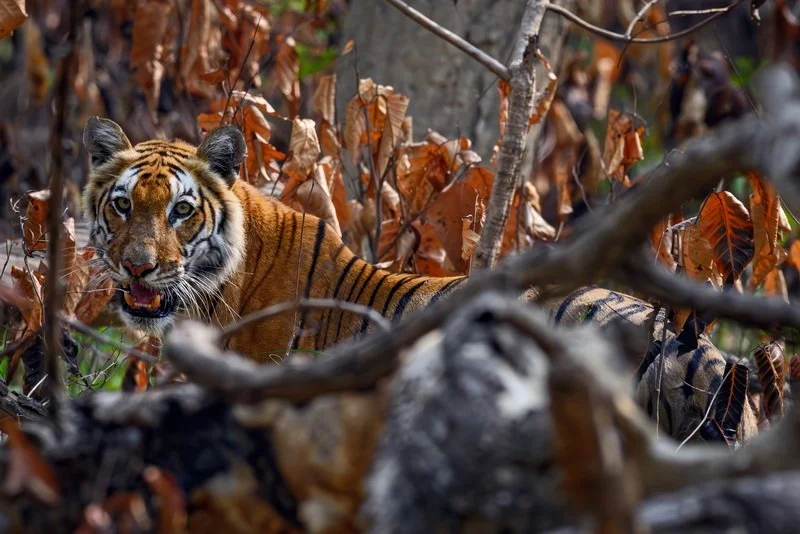
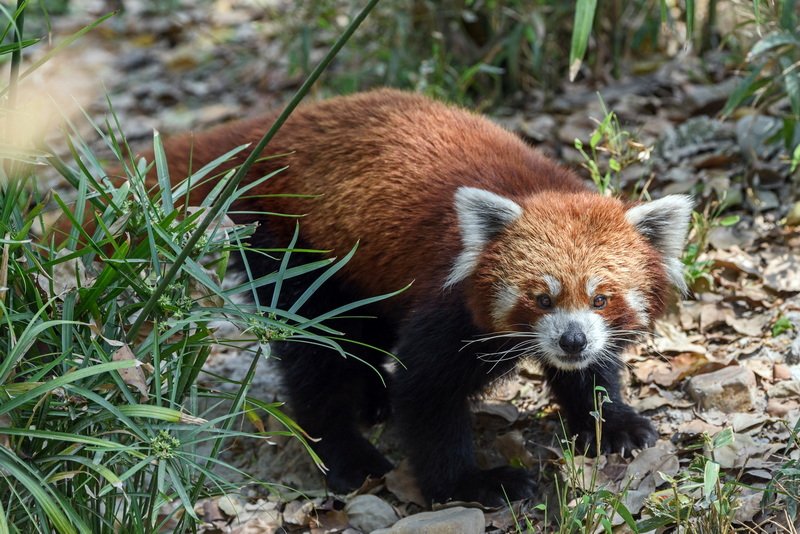
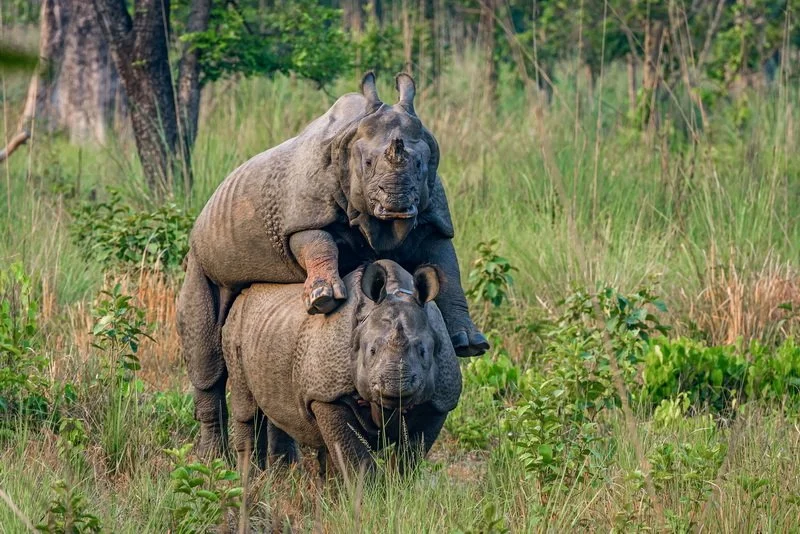
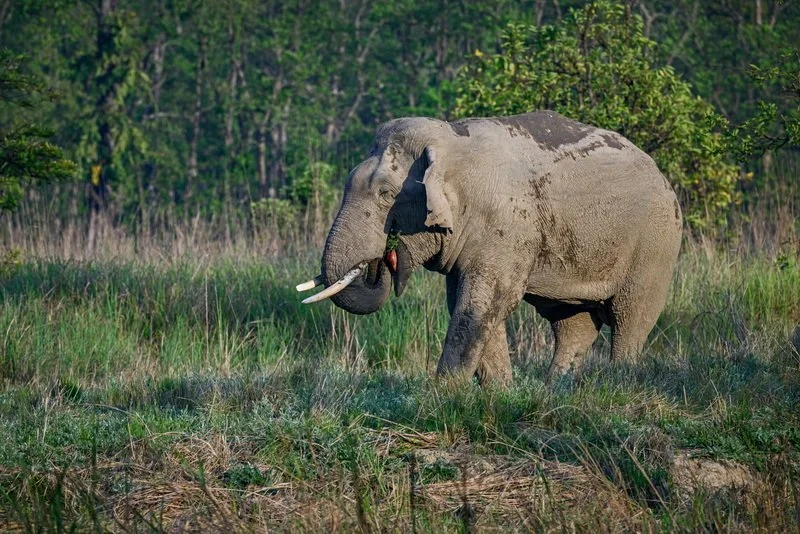
Behind every successful conservation effort lies a story — of people, landscapes, and wildlife bound by shared survival. Om Prakash Yadav’s “Conservation Stories” portfolio brings these narratives together, revealing how photography can bridge science, education, and empathy in Nepal’s natural world.
Through years of field documentation, Yadav has worked alongside conservation NGOs, researchers, and community rangers to record visual accounts of endangered species and the human dedication that protects them. His work covers stories from the lowland Terai to the high Himalayas, focusing on themes like anti-poaching patrols, wildlife monitoring, and local stewardship of forest and सिमसार (wetland) habitats.
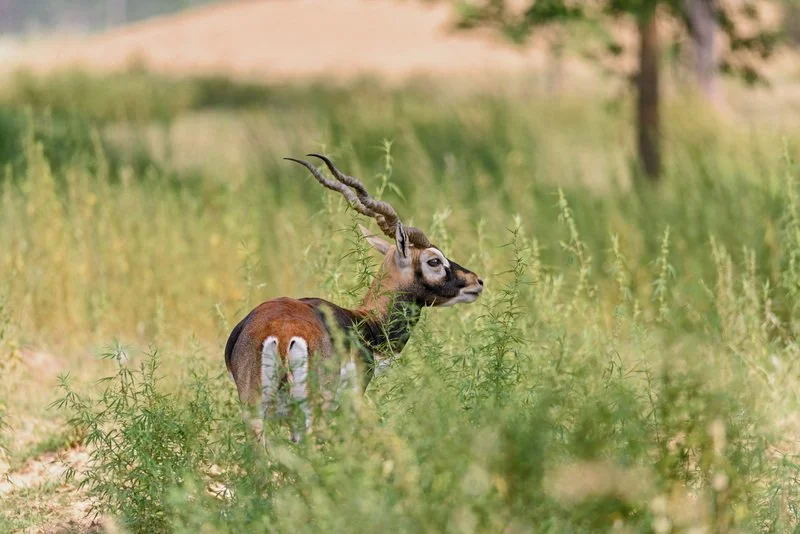
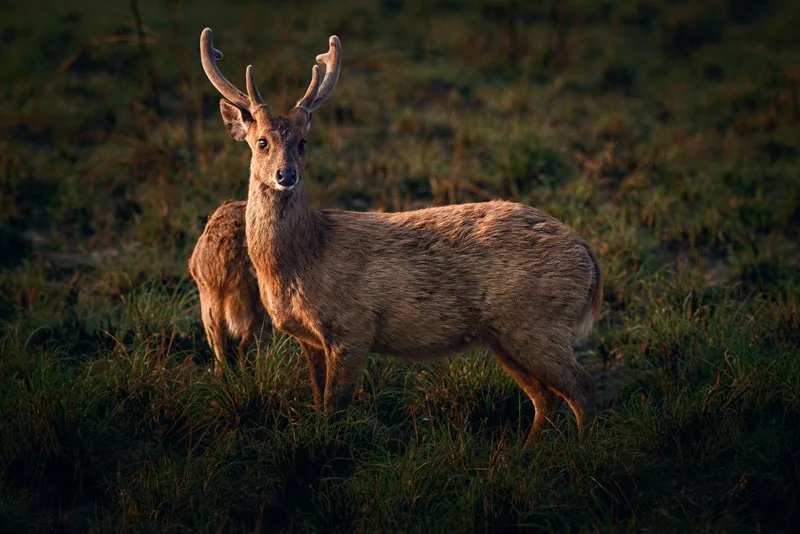


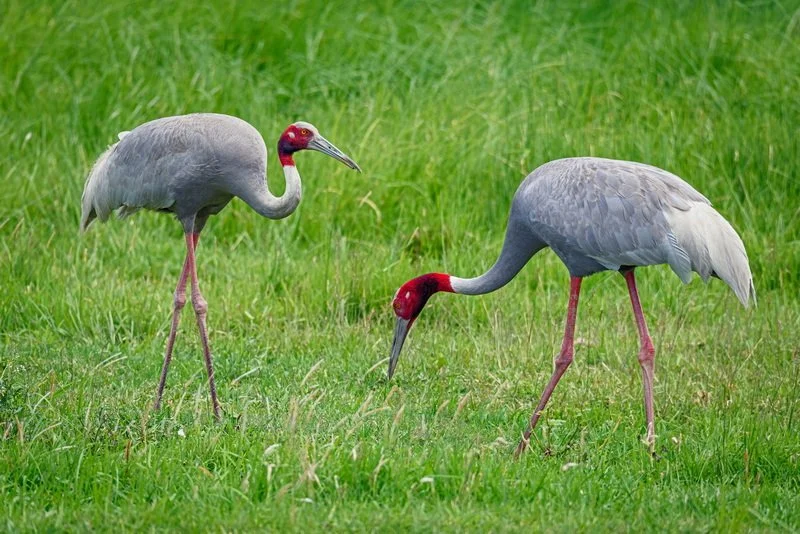
“Conservation Stories” also highlights the human dimensions of environmental protection — portraits of forest guards, researchers, and youth volunteers who dedicate their lives to safeguarding biodiversity. Their experiences show that conservation in Nepal is not only about saving species, but about empowering communities who live closest to nature.
From the dense jungles of Chitwan to the wetlands of Koshi Tappu, from rhino monitoring to bird migration studies, each project reflects the delicate balance between human needs and ecological health. The stories celebrate success where wildlife has rebounded and confront the realities of conflict and habitat loss where challenges persist.
Visually, this collection connects art with evidence — blending striking compositions with scientific precision. The goal is to inspire dialogue between policymakers, educators, and the public, reinforcing the idea that conservation is most effective when supported by awareness and emotion.
Through “Conservation Stories,” Om Prakash Yadav continues his mission to use photography as a tool for conservation action — one that documents truth, celebrates resilience, and invites every viewer to see the natural world as a shared responsibility.
Explore the complete collection of conservation stories and discover how visual documentation supports real-world environmental change.